

Национальная & quot; горячая линия & quot;
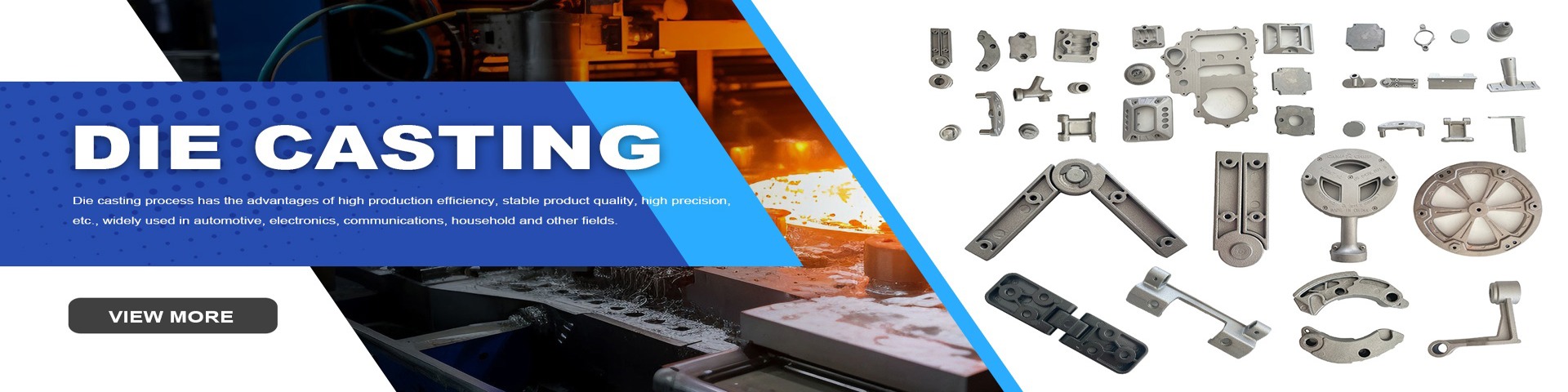
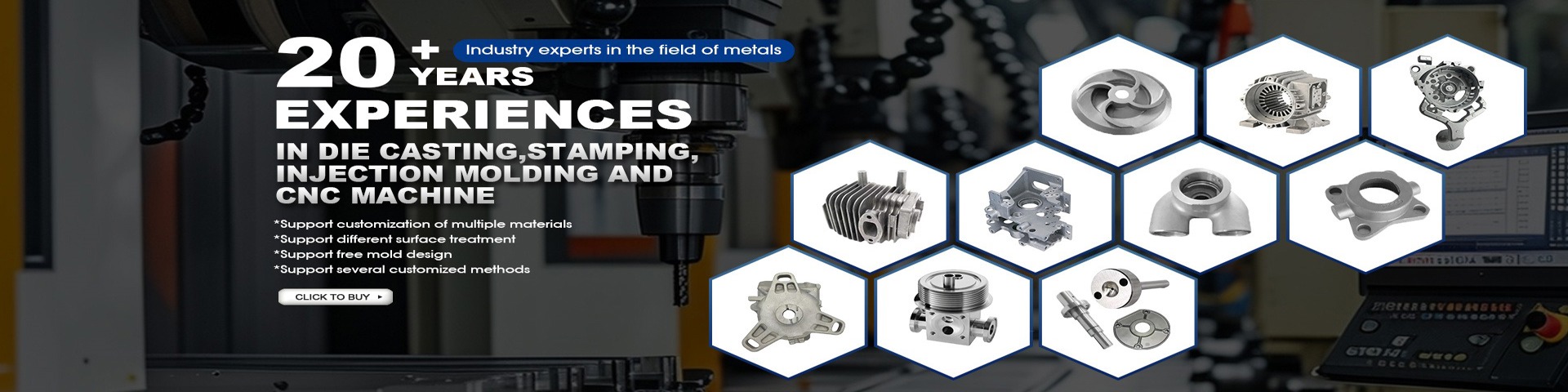
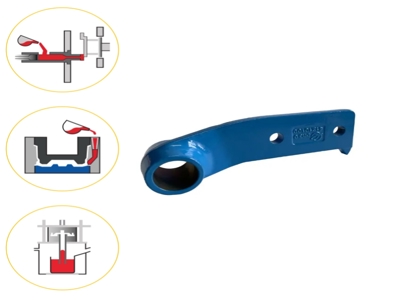
Вы когда-нибудь задумывались, почему алюминиевые детали в механизмах, таких как автомобили, самолеты или промышленное оборудование, могут выдерживать огромные нагрузки и служить годами без поломок? Что делает их такими прочными, несмотря на то, что алюминий сам по себе легкий и мягкий металл? Это не просто случайность или удача – за этим стоят глубокие научные принципы и инженерные разработки. В этой статье мы погрузимся в мир алюминиевых сплавов, раскроем секреты их прочности и ответим на ключевые вопросы, которые волнуют инженеров, производителей и просто любознательных умов. Почему алюминиевые сплавы так популярны? Как их состав влияет на прочность? Какие методы обработки используются для усиления деталей? И что будущее holds для этой области? Давайте начнем это увлекательное путешествие в металлургию и механику.
Алюминиевые сплавы – это комбинации алюминия с другими элементами, такими как медь, магний, кремний или цинк, которые значительно улучшают его механические свойства. Чистый алюминий обладает отличной коррозионной стойкостью и легкостью, но его прочность оставляет желать лучшего. Однако, добавление даже небольших количеств легирующих элементов может кардинально изменить его характеристики. Например, сплавы серии 6xxx, содержащие магний и кремний, широко используются в автомобильной промышленности благодаря их хорошей прочности и свариваемости. Но почему именно алюминий? Его низкая плотность (около 2,7 г/см³) делает его идеальным для applications, где вес играет критическую роль, таких как аэрокосмическая отрасль или транспорт. Кроме того, алюминий обладает высокой теплопроводностью и электропроводностью, что добавляет ему универсальности. Однако, секрет прочности lies not just in the alloy itself, but in how it is processed and used. В следующих разделах мы подробно разберем, как composition и обработка work together to create durable parts.
Прочность алюминиевых сплавов зависит от множества факторов, и understanding these is crucial to unlocking their secrets. First and foremost, the chemical composition: different alloying elements contribute to strength in various ways. For instance, copper increases hardness and tensile strength through precipitation hardening, while magnesium enhances strength and corrosion resistance. The ratio of these elements is carefully controlled to achieve desired properties. Но composition alone is not enough – heat treatment plays a vital role. Processes like solution heat treatment and aging allow for the formation of fine precipitates that block dislocation movement, thereby increasing strength. Additionally, mechanical processing, such as cold working or forging, can further enhance strength by refining the grain structure. Но wait, there's more! Environmental factors like temperature and corrosion also affect longevity. Например, при высоких температурах прочность может снижаться due to overaging or creep, поэтому сплавы often designed with specific service conditions in mind. Вопрос в том, как engineers balance all these variables to create parts that are both strong and reliable? Это требует глубокого знания материаловедения и тщательного testing. В дальнейшем мы explore specific examples and case studies to illustrate these principles.
Обработка алюминиевых сплавов – это искусство, которое превращает сырой металл в high-performance детали. Один из наиболее эффективных methods – это термическая обработка, включающая закалку и старение. При закалке сплав нагревается до высокой температуры, чтобы dissolve alloying elements into solid solution, followed by rapid cooling to lock them in place. Затем, при старении, эти элементы precipitate out, forming strengthening phases. Например, в сплаве 7075, который содержит цинк и магний,这个过程 приводит к exceptional strength, making it popular in aerospace applications. Но термическая обработка – не единственный way. Механическая обработка, такая как прокатка или extrusion, can increase strength through work hardening by introducing dislocations that impede deformation. Additionally, surface treatments like anodizing improve corrosion resistance, indirectly enhancing durability by preventing degradation. Однако, эти методы must be carefully optimized to avoid drawbacks, such as reduced toughness or increased brittleness. Как manufacturers ensure consistency? Through rigorous quality control and advanced technologies like computer simulations. В следующем разделе, мы discuss real-world applications and how these processing techniques are applied in industry.
Алюминиевые сплавы нашли широкое применение в countless механизмах, и их прочность is put to the test daily. В automotive industry, они используются для engine blocks, wheels, and body panels to reduce weight and improve fuel efficiency without compromising safety. Например, сплавы like 6061 are common in chassis components due to their good strength-to-weight ratio. В aerospace, где every kilogram counts, high-strength alloys like 2024 or 7075 are essential for aircraft frames and wings, capable of withstanding extreme stresses during flight. Но как these parts maintain integrity over time? Regular maintenance and design innovations, such as fatigue-resistant shapes, play a key role. В industrial machinery, алюминиевые детали often used in gears and housings for their light weight and resistance to wear. Однако, challenges exist – например, в corrosive environments, additional coatings may be necessary. Что делает эти applications successful? It's the synergy between material selection, processing, and design. Вопрос: могут ли алюминиевые сплавы заменить сталь в всех случаях? Not always – steel offers higher strength in some scenarios, but aluminum's lightness often gives it the edge where weight savings are critical. В будущем, с развитием additive manufacturing, возможности expand even further.
Будущее алюминиевых сплавов looks bright with ongoing innovations aimed at enhancing strength and sustainability. Одно из promising areas – это разработка nanocomposite сплавов, где наночастицы добавляются для дальнейшего увеличения прочности и износостойкости. Например, incorporating carbon nanotubes or ceramic particles can lead to materials with exceptional mechanical properties. Additionally, advances in additive manufacturing (3D printing) allow for the creation of complex, lightweight structures that were previously impossible with traditional methods. Это открывает новые горизонты для customized parts in mechanisms. Но innovation isn't just about strength – sustainability is also key. Recycling aluminum requires only 5% of the energy needed to produce primary aluminum, making it an eco-friendly choice. Вопрос: как эти innovations will impact industries? We can expect lighter, stronger, and more efficient mechanisms across the board, from electric vehicles to renewable energy systems. Однако, challenges remain, such as cost and scalability of new technologies. Что нужно для widespread adoption? Continued research and collaboration between academia and industry. В заключение, секрет прочности алюминиевых сплавов – это combination of smart alloy design, precise processing, and innovative applications that together create durable and reliable parts.
В этой статье мы explored the multifaceted world of aluminum alloys and their role in creating strong parts for mechanisms. От chemical composition до advanced processing techniques, каждый аспект contributes to the overall durability. Секрет lies in the synergy – it's not just one factor, but the integration of multiple elements that makes aluminum alloys so effective. Whether in cars, planes, or machines, these materials continue to evolve, driven by innovation and a demand for efficiency. So, the next time you see a lightweight yet robust machine part, remember the science and engineering behind it. Вопросы остаются – например, как further improve strength without sacrificing other properties? But with ongoing research, the future holds even greater possibilities. Спасибо за чтение, и надеюсь, эта статья ответила на ваши вопросы и вдохновила на дальнейшее exploration!