

Национальная & quot; горячая линия & quot;
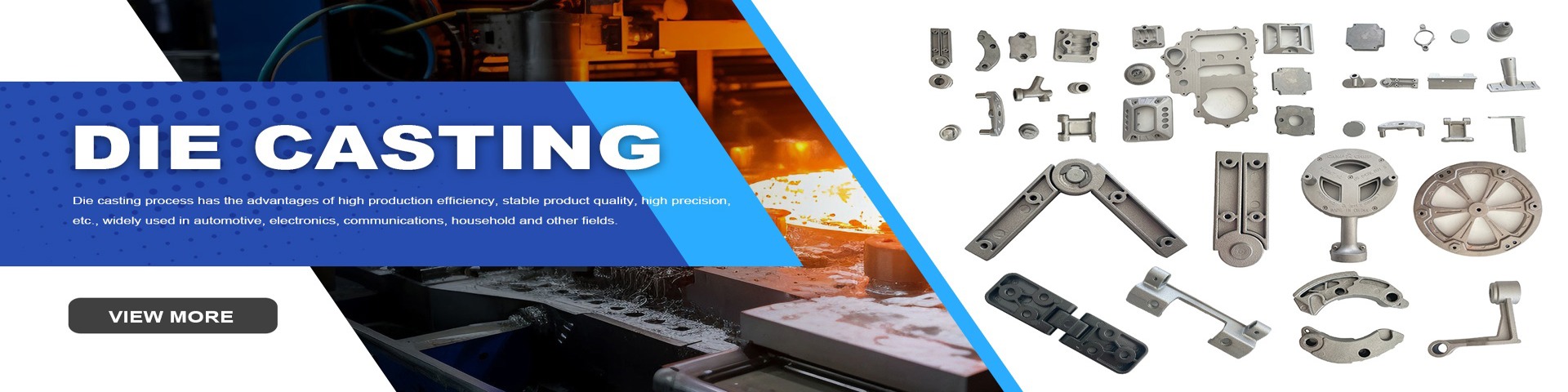
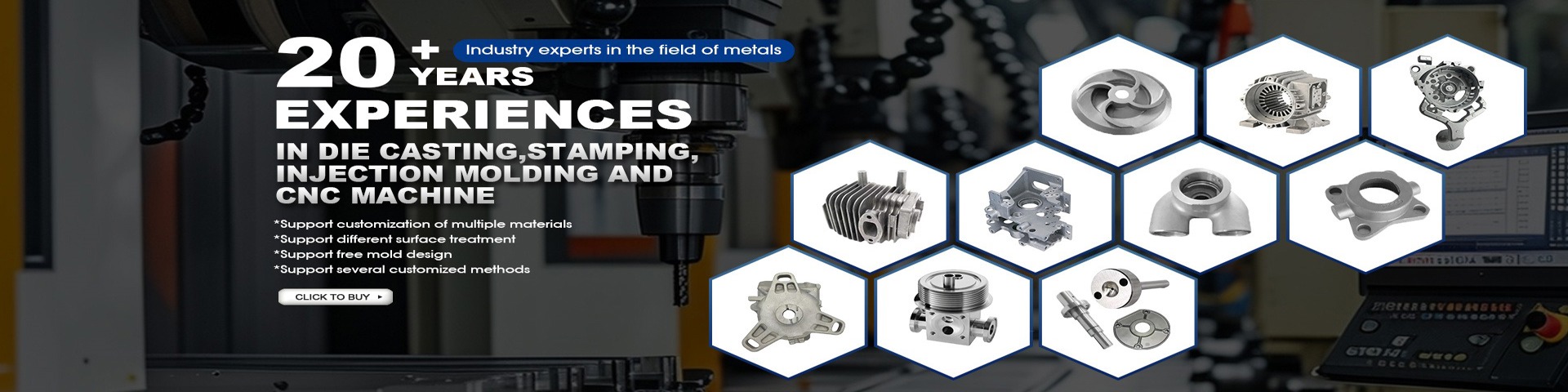
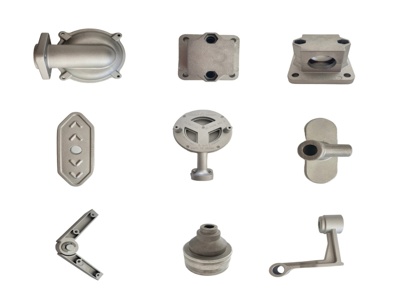
В современном мире автомобильная промышленность переживает стремительные изменения, обусловленные необходимостью повышения эффективности, снижения экологической нагрузки и улучшения потребительских характеристик транспортных средств. Среди множества материалов, используемых в производстве автомобилей, алюминий выделяется своими выдающимися свойствами, особенно в аспектах прочности и легкости. Эта статья призвана глубоко и всесторонне исследовать, почему алюминиевые детали стали неотъемлемой частью современного машиностроения, и как их уникальные характеристики способствуют созданию более безопасных, экономичных и экологически чистых автомобилей.
История применения алюминия в автомобильной промышленности насчитывает более ста лет. Первые эксперименты с этим металлом относятся к началу XX века, когда производители искали альтернативы тяжелым стальным компонентам для снижения веса транспортных средств и повышения их производительности. Однако, из-за высокой стоимости и ограниченных технологий обработки, широкое внедрение алюминия началось лишь во второй половине XX века. С развитием алюминиевых сплавов и методов литья, таких как литье под давлением и экструзия, алюминиевые детали стали более доступными и эффективными. В 1970-х годах, на фоне нефтяных кризисов, необходимость экономии топлива подстегнула интерес к легким материалам, что привело к увеличению доли алюминия в конструкциях автомобилей. Сегодня, благодаря инновациям в металлургии и производственных процессах, алюминий используется повсеместно: от кузовов и двигателей до подвески и интерьеров, демонстрируя непрерывный рост своей значимости в отрасли.
Одним из ключевых преимуществ алюминиевых деталей является их исключительная прочность, которая часто недооценивается в сравнении с традиционными материалами, такими как сталь. Алюминиевые сплавы, особенно серии 6xxx и 7xxx, обладают высокими механическими свойствами, включая предел прочности на растяжение и ударную вязкость, что делает их идеальными для критически важных компонентов, таких как рамы, подвески и элементы безопасности. Например, в краш-тестах алюминиевые конструкции демонстрируют отличную способность поглощать энергию удара, защищая пассажиров и снижая риск травм. Кроме того, алюминий обладает высокой коррозионной стойкостью, благодаря естественному образованию оксидной пленки, которая предотвращает ржавчину и продлевает срок службы деталей. Это особенно важно в условиях агрессивных сред, таких как дорожная соль или влажный климат, где стальные компоненты могут быстро деградировать. Современные методы термической обработки и легирования, например, добавление магния или кремния, further enhance the strength characteristics, allowing aluminum to compete with and even surpass steel in many applications, while maintaining a weight advantage that is crucial for overall vehicle performance.
Легкость алюминиевых деталей является, пожалуй, их самым известным и ценным свойством. Плотность алюминия составляет approximately 2.7 g/cm³, что примерно в три раза меньше, чем у стали (7.8 g/cm³). Это означает, что замена стальных компонентов алюминиевыми аналогами позволяет значительно снизить общий вес vehicle without compromising structural integrity. Снижение массы автомобиля напрямую влияет на несколько ключевых аспектов: во-первых, оно улучшает топливную экономичность, так как для движения более легкого vehicle требуется меньше энергии, что приводит к снижению расхода топлива и выбросов CO2. Во-вторых, легкость enhances dynamics, such as acceleration, braking, and handling, making cars more responsive and enjoyable to drive. Additionally, in electric vehicles (EVs), where battery weight is a major concern, the use of aluminum components helps offset the mass of the battery pack, extending range and improving efficiency. The automotive industry has embraced this advantage, with many manufacturers, including Tesla, Audi, and Ford, integrating aluminum-intensive designs into their models, resulting in vehicles that are not only lighter but also more agile and environmentally friendly.
В эпоху growing environmental awareness, the sustainability of materials used in automotive production has become a critical factor. Алюминиевые детали excel in this regard due to their high recyclability and low environmental impact throughout their lifecycle. Aluminum is one of the most recycled metals in the world, with recycling rates exceeding 90% in many regions. The process of recycling aluminum requires only about 5% of the energy needed to produce primary aluminum from bauxite ore, significantly reducing greenhouse gas emissions and conserving natural resources. Moreover, the lightweight nature of aluminum components contributes to lower fuel consumption and emissions during the use phase of the vehicle, aligning with global efforts to combat climate change. Life cycle assessments (LCAs) consistently show that aluminum-intensive vehicles have a smaller carbon footprint compared to their steel counterparts, especially when considering the entire cradle-to-grave impact. This makes aluminum not only a practical choice for performance but also a responsible one for the planet, supporting the transition towards a circular economy in the automotive sector.
Будущее алюминиевых деталей в автомобилестроении выглядит exceedingly promising, driven by continuous technological advancements. Innovations in alloy development, such as nano-structured aluminum composites, are pushing the boundaries of strength and weight reduction, enabling even lighter and more durable components. Additive manufacturing, or 3D printing, is revolutionizing the production of complex aluminum parts, allowing for custom designs and rapid prototyping that were previously impossible with traditional methods. Furthermore, the integration of smart materials and sensors into aluminum structures is opening up new possibilities for connected and autonomous vehicles, where weight savings and reliability are paramount. As the industry moves towards electrification and autonomy, the demand for aluminum is expected to grow exponentially. For instance, in electric vehicles, aluminum is used not only in bodies and frames but also in battery enclosures and thermal management systems, leveraging its excellent thermal conductivity. Collaborative efforts between automakers, material scientists, and suppliers are fostering a new era of innovation, ensuring that aluminum remains at the forefront of automotive design for decades to come.
В заключение, алюминиевые детали машин представляют собой выдающийся пример того, как материалы science can transform an industry. Their superior combination of strength and lightness offers unparalleled benefits in terms of safety, performance, fuel efficiency, and environmental sustainability. From historical beginnings to cutting-edge innovations, aluminum has proven itself as a versatile and indispensable material in automotive engineering. As we look to the future, the continued adoption and evolution of aluminum components will play a crucial role in shaping the next generation of vehicles—making them lighter, greener, and more advanced than ever before. Для производителей и потребителей alike, investing in aluminum technology is not just a choice for today but a step towards a more efficient and sustainable tomorrow.