

Национальная & quot; горячая линия & quot;
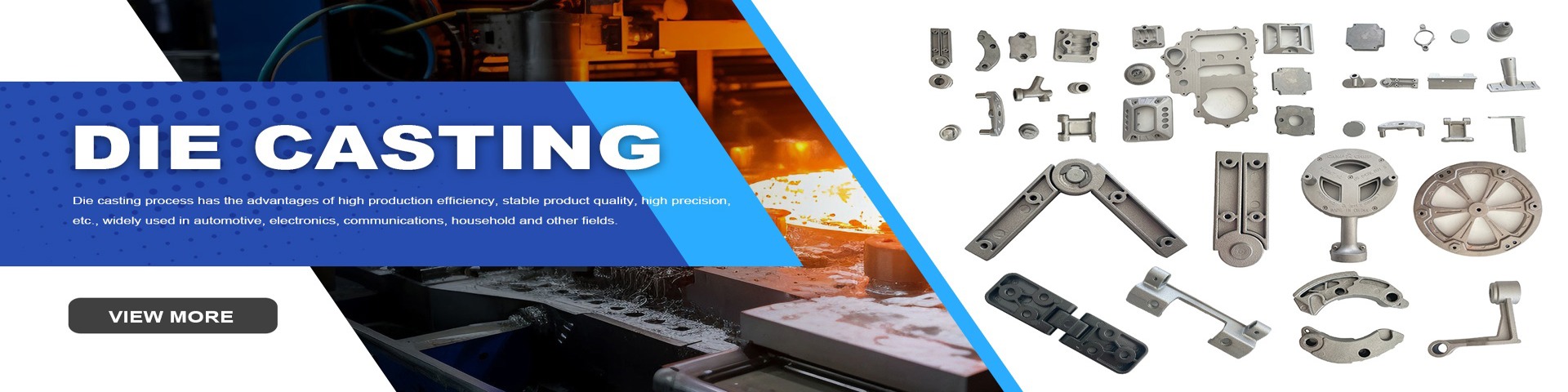
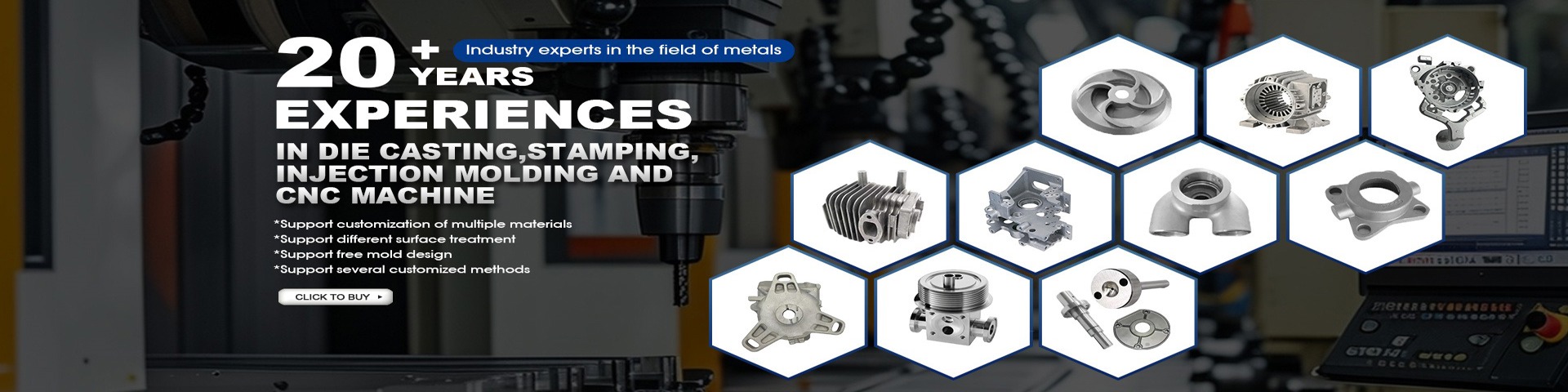

В современном мире строительства и инфраструктуры поиск материалов, сочетающих в себе высокую прочность и легкость, становится все более актуальным. Алюминиевые опоры представляют собой инновационное решение, которое не только отвечает этим требованиям, но и открывает новые горизонты для устойчивого развития. В этой статье мы подробно рассмотрим, почему алюминиевые опоры становятся опорой будущего, их преимущества, применения и перспективы.
Алюминий — это металл, который известен своей легкостью и коррозионной стойкостью. Его использование в строительстве началось еще в XIX веке, но только в последние десятилетия технологии позволили создать опоры, которые могут выдерживать значительные нагрузки при минимальном весе. Алюминиевые опоры используются в различных областях, от линий электропередач до архитектурных конструкций, и их популярность продолжает расти благодаря сочетанию прочности и легкости.
Одним из ключевых преимуществ алюминия является его плотность, которая составляет примерно одну треть от плотности стали. Это означает, что алюминиевые опоры значительно легче стальных аналогов, что упрощает транспортировку, монтаж и снижает общие затраты на проект. Кроме того, алюминий обладает высокой устойчивостью к коррозии, что делает его идеальным для использования в агрессивных средах, таких как прибрежные регионы или промышленные зоны.
В этой статье мы углубимся в детали, exploring why aluminum supports are not just a alternative, but a superior choice for the future. We will cover their mechanical properties, environmental benefits, economic advantages, and real-world applications, providing a comprehensive overview that highlights their potential to revolutionize industries.
Использование алюминия в строительстве началось в конце XIX века, когда был разработан процесс электролиза для производства чистого алюминия. Первоначально из-за высокой стоимости алюминий применялся mainly in decorative elements, but as production methods improved, it became more accessible. The first aluminum supports for power lines appeared in the mid-20th century, offering a lightweight alternative to wooden or steel poles.
С течением времени advancements in alloy technology have enhanced the strength and durability of aluminum supports. For example, the development of aluminum alloys with added elements like magnesium and silicon has significantly increased their load-bearing capacity. Today, aluminum supports are used globally in a variety of applications, from telecommunications to renewable energy infrastructure.
The evolution of aluminum supports mirrors the broader trends in materials science, where the focus is on creating sustainable, efficient, and cost-effective solutions. As we move towards a more eco-conscious world, aluminum's recyclability and longevity make it a key player in the future of construction.
Алюминиевые опоры обладают выдающимися механическими свойствами, которые делают их suitable for demanding applications. One of the most important properties is tensile strength, which refers to the material's ability to resist breaking under tension. Aluminum alloys can have tensile strengths comparable to some steels, but with a much lower weight. For instance, common aluminum alloys used in supports have tensile strengths ranging from 200 to 500 MPa, depending on the alloy composition and treatment.
Another critical property is fatigue resistance. Aluminum supports can withstand repeated loading and unloading cycles without significant degradation, which is essential for structures exposed to wind, vibrations, or other dynamic forces. This makes them ideal for use in power transmission lines, where poles must endure years of environmental stress.
Additionally, aluminum has excellent flexibility and ductility, allowing it to be easily shaped into various forms without losing strength. This versatility enables the design of custom supports for specific projects, optimizing performance and aesthetics. The combination of high strength-to-weight ratio and corrosion resistance ensures that aluminum supports have a long service life, often exceeding 50 years with minimal maintenance.
Легкость алюминиевых опор является одним из их最主要的 преимуществ. По сравнению со стальными опорами, алюминиевые весят на 50-60% меньше, что приводит к значительной экономии на логистике и установке. Например, транспортировка lighter poles requires smaller vehicles and less fuel, reducing carbon emissions and costs. During installation, the reduced weight allows for faster and safer erection, as workers can handle the poles more easily without heavy machinery.
В случаях, когда опоры необходимо устанавливать в труднодоступных местах, таких как горные регионы или густо населенные городские areas, легкость алюминия становится особенно valuable. It minimizes the need for extensive groundwork or disruptive construction processes, making projects more feasible and less invasive.
Moreover, the light weight contributes to overall structural efficiency. In applications like bridge supports or architectural frames, using aluminum can reduce the dead load on foundations, allowing for lighter and more economical foundation designs. This cascading effect of weight savings can lead to substantial cost reductions throughout the project lifecycle.
Несмотря на свою легкость, алюминиевые опоры обладают impressive strength and durability. The inherent corrosion resistance of aluminum means that it does not rust like steel, even when exposed to moisture, salt, or chemicals. This property is achieved through the formation of a thin, protective oxide layer on the surface, which self-heals if damaged. As a result, aluminum supports require little to no protective coatings, reducing maintenance costs and extending their lifespan.
В условиях extreme weather, such as hurricanes or heavy snow loads, aluminum supports demonstrate excellent performance. Their high strength-to-weight ratio allows them to withstand high winds without buckling, and their flexibility helps absorb impact forces. For example, in power distribution networks, aluminum poles have been proven to survive storms that destroy traditional wooden or steel structures.
Long-term durability is further enhanced by aluminum's resistance to UV radiation and temperature fluctuations. Unlike some materials that degrade under sun exposure, aluminum maintains its integrity over decades. This makes it a reliable choice for outdoor applications where reliability is paramount.
Алюминий является одним из самых экологичных materials available, primarily due to its recyclability. Over 75% of all aluminum ever produced is still in use today, thanks to efficient recycling processes. Recycling aluminum requires only 5% of the energy needed to produce primary aluminum from bauxite ore, significantly reducing greenhouse gas emissions. This circular economy aspect makes aluminum supports a sustainable choice for green building projects.
Кроме того, production of aluminum supports has a lower environmental footprint compared to alternatives like steel or concrete. The mining and processing of bauxite can have impacts, but these are mitigated by advancements in technology and increasing use of renewable energy in smelting. Life cycle assessments show that aluminum supports often have a lower overall environmental impact when considering their long service life and recyclability.
In the context of climate change, using lightweight materials like aluminum can contribute to energy efficiency. For instance, in transportation infrastructure, lighter supports mean reduced energy consumption for vehicles, aligning with global efforts to reduce carbon footprints. As societies push for more sustainable practices, aluminum stands out as a material that supports these goals.
Использование алюминиевых опор offers significant economic advantages. Although the initial cost of aluminum might be higher than some materials like wood or basic steel, the total cost of ownership is often lower due to reduced maintenance and longer lifespan. For example, aluminum supports do not require painting or anti-corrosion treatments, saving on recurring expenses.
В крупных проектах, таких как строительство линий электропередач или телекоммуникационных сетей, экономия на logistics and installation can be substantial. The lighter weight reduces transportation costs, and faster installation times mean labor savings. Additionally, the durability of aluminum means fewer replacements over time, further lowering long-term costs.
Investment in aluminum supports can also yield returns through improved reliability and reduced downtime. In critical infrastructure, such as power grids, the failure of a support can lead to costly outages. Aluminum's resilience helps prevent such events, protecting economic activities and public safety.
Алюминиевые опоры находят применение в широком спектре отраслей. В энергетике они используются для опор линий электропередач, где их легкость и прочность позволяют efficiently transmit electricity over long distances. In renewable energy, such as wind or solar farms, aluminum supports are ideal for mounting panels or turbines due to their corrosion resistance and adaptability.
В телекоммуникационной отрасли алюминиевые опоры служат для установки антенн и вышек, обеспечивая stable support without adding excessive weight. This is crucial in urban areas where space is limited, and aesthetics are important. Aluminum's ability to be powder-coated in various colors allows it to blend into environments seamlessly.
Другие применения включают строительство мостов, где алюминиевые опоры can reduce overall weight and improve seismic performance, and architectural designs, where they enable innovative, lightweight structures. In transportation, aluminum supports are used in signage, lighting poles, and even in temporary structures for events.
Будущее алюминиевых опор looks bright with ongoing innovations. Advances in alloy development are creating even stronger and lighter materials. For instance, nano-engineered aluminum alloys are being researched to enhance mechanical properties further, potentially opening up new applications in aerospace or high-performance engineering.
Smart technologies are also being integrated into aluminum supports. Sensors can be embedded to monitor stress, temperature, or corrosion in real-time, enabling predictive maintenance and improving safety. This Internet of Things (IoT) integration is part of the trend towards smarter infrastructure.
Кроме того, sustainable production methods, such as using green hydrogen in smelting, are reducing the environmental impact of aluminum manufacturing. As these technologies mature, aluminum supports will become even more eco-friendly and cost-effective, solidifying their role as a material of the future.
При сравнении алюминиевых опор с alternatives like steel, wood, or concrete, several key differences emerge. Steel offers high strength but is heavier and prone to corrosion, requiring protective coatings. Wood is lightweight and renewable but has shorter lifespan and is susceptible to rot and pests. Concrete is durable and cheap but very heavy and energy-intensive to produce.
Алюминий combines the best of these: it is as strong as steel in many applications, as lightweight as wood, and as durable as concrete, but with added benefits like recyclability. This makes it a superior choice for modern infrastructure projects where efficiency, sustainability, and cost are priorities.
For example, in a direct comparison for power line supports, aluminum poles might have a higher upfront cost than wood, but their longer life and lower maintenance make them more economical over time. Similarly, versus steel, aluminum's corrosion resistance eliminates the need for galvanization, reducing lifecycle costs.
Многочисленные проекты по всему миру демонстрируют эффективность алюминиевых опор. В Европе, например, countries like Germany and the Netherlands have extensively used aluminum for power distribution networks, reporting reduced maintenance costs and improved reliability. In one case study, a utility company replaced old wooden poles with aluminum ones and saw a 30% reduction in outage incidents over five years.
В США алюминиевые опоры were used in the construction of a new solar farm in California, where their light weight allowed for rapid installation and minimized ground disturbance. The project was completed ahead of schedule and under budget, highlighting the economic benefits.
В Азии, в таких странах, как Китай и Япония, алюминиевые опоры применяются в сейсмически активных регионах due to their flexibility and ability to withstand earthquakes. These real-world examples underscore the versatility and reliability of aluminum supports across different environments and applications.
Алюминиевые опоры представляют собой идеальное сочетание прочности и легкости, making them a cornerstone of future infrastructure. Their advantages in terms of weight, durability, sustainability, and cost-effectiveness make them superior to traditional materials. As technology advances, we can expect even more innovative applications and improvements, solidifying aluminum's role in building a resilient and sustainable world.
Whether in energy, telecommunications, or architecture, aluminum supports are proving to be not just an alternative, but the preferred choice. Embracing this material can lead to safer, more efficient, and environmentally friendly projects, ultimately shaping the future of construction and infrastructure.
Эта статья предоставляет comprehensive overview алюминиевых опор, highlighting their role as a material of the future. By leveraging their unique properties, we can build stronger, lighter, and more sustainable infrastructure for generations to come.