

Национальная & quot; горячая линия & quot;
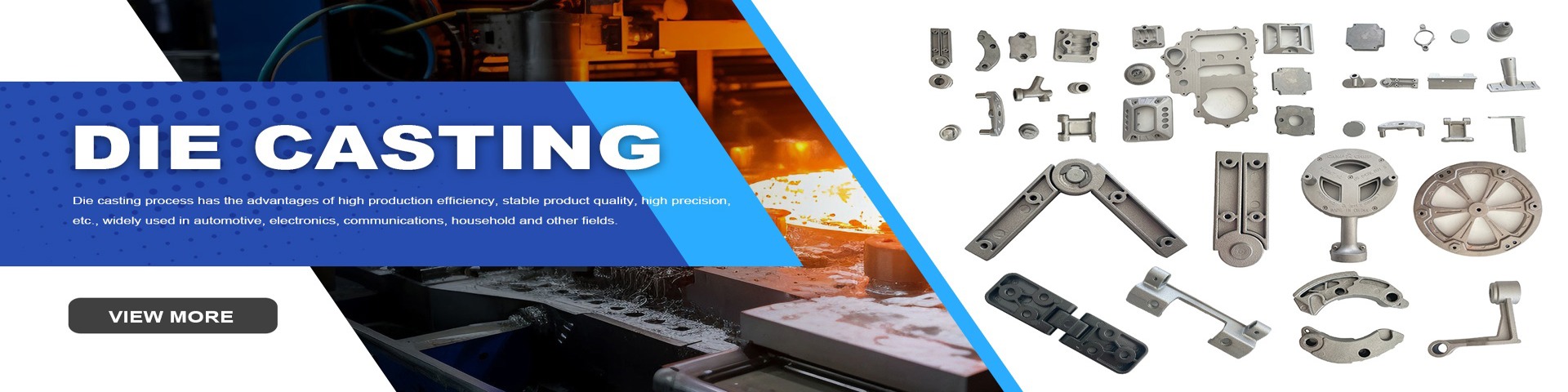
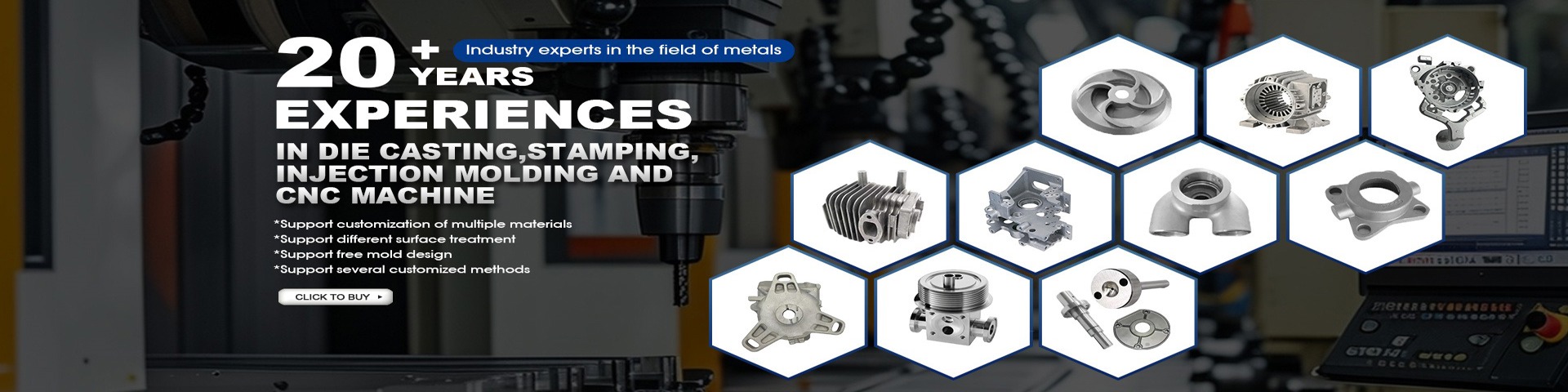
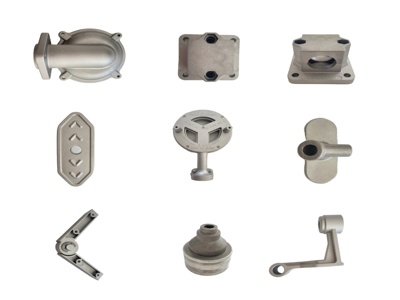
В современном мире высоких технологий и быстрого промышленного развития оптимизация конструкций алюминиевых деталей для передач в оборудовании становится ключевым фактором для повышения производительности, снижения затрат и обеспечения долговечности. Алюминий, благодаря своим уникальным свойствам, таким как легкий вес, высокая коррозионная стойкость и отличная теплопроводность, широко применяется в различных отраслях, включая машиностроение, авиацию, автомобильную промышленность и электронику. Однако, чтобы максимально использовать потенциал этого материала, необходимо тщательно продумывать и оптимизировать конструкции деталей, особенно в критических узлах, таких как передачи. В этой статье мы глубоко погрузимся в методы, преимущества и практические аспекты оптимизации, предоставляя вам исчерпывающее руководство для улучшения вашего оборудования.
Алюминиевые детали уже давно зарекомендовали себя как незаменимые компоненты в современных инженерных системах. Их использование в передачах — механизмах, предназначенных для передачи движения и мощности между валами — позволяет достичь значительного снижения веса без ущерба для прочности. Это особенно важно в отраслях, где каждый грамм на счету, например, в аэрокосмической или автомобильной промышленности. Но почему именно алюминий? Во-первых, его плотность составляет примерно одну треть от плотности стали, что делает детали легче и, следовательно, снижает инерционные нагрузки в передачах. Во-вторых, алюминий обладает высокой коррозионной стойкостью, что продлевает срок службы оборудования в агрессивных средах. В-третьих, отличная теплопроводность помогает dissipate тепло, генерируемое во время работы передач, предотвращая перегрев и повышая общую эффективность.
Однако, несмотря на эти преимущества, алюминиевые детали могут сталкиваться с challenges, такими как ограниченная прочность по сравнению с некоторыми сплавами стали или issues с усталостной долговечностью при cyclic loading. Именно здесь оптимизация конструкций вступает в игру. Путем тщательного проектирования, выбора подходящих сплавов и применения advanced manufacturing techniques, мы можем преодолеть эти limitations и создать детали, которые не только легкие, но и robust и reliable. В следующих разделах мы рассмотрим ключевые аспекты оптимизации, начиная с выбора материалов и заканчивая computational методами и real-world примерами.
Первый шаг в оптимизации конструкций алюминиевых деталей передач — это выбор правильного сплава. Алюминиевые сплавы классифицируются based on их chemical composition и mechanical properties. Например, серия 6000 (например, 6061) широко используется благодаря хорошей свариваемости и коррозионной стойкости, в то время как серия 7000 (например, 7075) предлагает higher strength, но может быть более susceptible to corrosion. Для деталей передач, которые подвергаются high stresses и cyclic loads, часто предпочтительны сплавы like 2024 или 7075, которые обеспечивают excellent fatigue resistance.
При выборе сплава необходимо учитывать specific requirements вашего оборудования. Factors such as operating temperature, load conditions, and environmental exposure play a crucial role. For instance, in high-temperature applications, сплавы с improved thermal stability, такие как 2219, могут быть более suitable. Additionally, surface treatments like anodizing or coating can enhance corrosion resistance and wear properties, further optimizing the performance. Computational tools, such as finite element analysis (FEA), can simulate the behavior of different alloys under various conditions, helping engineers make informed decisions without costly physical prototypes.
Beyond material selection, optimizing the geometry of aluminum parts is essential. This involves designing shapes that minimize stress concentrations, maximize strength-to-weight ratios, and facilitate efficient manufacturing. Techniques like topology optimization, which uses algorithms to remove material from areas of low stress, can lead to lightweight yet strong designs. For gear transmissions, this might mean creating hollow or ribbed structures that reduce weight while maintaining rigidity. Additive manufacturing, or 3D printing, has revolutionized this process by allowing for complex geometries that were previously impossible with traditional methods, enabling further optimization and customization.
Оптимизация конструкций алюминиевых деталей передач требует multidisciplinary approach, combining mechanical engineering, materials science, and computational modeling. One of the most powerful tools is finite element analysis (FEA), which allows engineers to simulate stresses, strains, and deformations in virtual models. By iterating through different design variations, FEA helps identify potential failure points and optimize the shape for maximum performance. For example, in a gear transmission, FEA can predict how teeth will engage under load, allowing for adjustments to tooth profile, module, and helix angle to reduce wear and improve efficiency.
Another key approach is the use of computer-aided design (CAD) software, which enables precise modeling and rapid prototyping. With CAD, engineers can create detailed 3D models of aluminum parts, incorporating features like fillets, chamfers, and reinforcements to enhance durability. Additionally, integration with computational fluid dynamics (CFD) can optimize cooling aspects, crucial for transmissions that generate heat during operation. By simulating airflow and heat transfer, engineers can design cooling fins or channels within the aluminum parts to prevent overheating and extend lifespan.
Practical considerations also include manufacturing constraints. Processes like casting, extrusion, or machining influence the final design. For instance, die casting is ideal for high-volume production of complex shapes, while CNC machining offers precision for custom parts. Optimizing for manufacturability involves minimizing material waste, reducing machining time, and ensuring that designs are feasible with available technology. Collaboration with manufacturers early in the design phase can lead to cost-effective solutions that balance performance with production efficiency.
Оптимизация конструкций алюминиевых деталей приносит numerous benefits to transmission systems. First and foremost, weight reduction leads to lower energy consumption and improved overall efficiency. In automotive applications, for example, lighter transmissions contribute to better fuel economy and reduced emissions. In industrial machinery, reduced weight means less strain on supporting structures and lower inertia, allowing for faster acceleration and deceleration.
Enhanced durability is another significant advantage. By optimizing shapes and selecting appropriate alloys, parts can withstand higher loads and longer operational cycles without failure. This translates to reduced maintenance costs and fewer downtimes, which is critical in industries like manufacturing or aerospace where reliability is paramount. Moreover, the corrosion resistance of aluminum means that optimized parts perform well in harsh environments, such as marine or chemical processing, without the need for frequent replacements.
Cost savings are also a direct result of optimization. Although advanced design and manufacturing techniques may involve upfront investments, they often lead to lower material usage, reduced waste, and longer product lifecycles. For instance, topology optimization can remove unnecessary material, cutting down on raw material costs without compromising strength. Additionally, the ability to produce custom parts through additive manufacturing reduces inventory needs and allows for on-demand production, further optimizing supply chains.
To illustrate the impact of optimization, let's explore some real-world examples. In the aerospace industry, companies like Boeing and Airbus have extensively used optimized aluminum parts in transmission systems for aircraft controls. By employing FEA and advanced alloys, they've achieved weight reductions of up to 20% while maintaining or even improving performance. This not only enhances fuel efficiency but also allows for larger payloads or longer flight ranges.
In the automotive sector, Tesla has pioneered the use of aluminum in electric vehicle transmissions. Through computational design and additive manufacturing, they've created lightweight, efficient gearboxes that contribute to the vehicle's overall range and acceleration. Similarly, in industrial robotics, firms like Fanuc optimize aluminum parts for robotic arms and drives, ensuring high precision and reliability in repetitive tasks.
Another compelling case is in renewable energy, such as wind turbines. Optimized aluminum gears and housings help reduce the weight of nacelles, leading to lower tower costs and improved energy capture. By simulating wind loads and operational stresses, engineers can design parts that endure decades of service with minimal maintenance.
The future of optimizing aluminum parts for transmissions is bright, driven by advancements in materials, computing, and manufacturing. Emerging materials, such as aluminum matrix composites (AMCs), combine aluminum with reinforcements like ceramics or carbon fibers to offer superior strength and wear resistance. These composites are poised to revolutionize high-performance applications, from racing cars to space exploration.
Artificial intelligence (AI) and machine learning are also transforming design optimization. AI algorithms can analyze vast datasets to predict optimal geometries and material combinations faster than ever before. For instance, generative design software uses AI to propose multiple design options based on specified constraints, enabling engineers to explore innovative solutions that were previously unimaginable.
Additive manufacturing continues to evolve, with techniques like selective laser melting (SLM) allowing for the production of fully dense aluminum parts with complex internal structures. This not only facilitates optimization but also enables mass customization, where each part is tailored to specific operational needs. As these technologies become more accessible, we can expect to see widespread adoption across industries, further pushing the boundaries of what's possible with aluminum.
В заключение, оптимизация конструкций алюминиевых деталей для передач вашего оборудования — это не просто trend, а necessity в современной инженерии. By leveraging the right materials, engineering tools, and manufacturing methods, you can achieve significant improvements in performance, efficiency, and cost-effectiveness. Start by assessing your current designs: identify areas where weight can be reduced without sacrificing strength, and consider upgrading to advanced aluminum alloys or composites.
Invest in computational tools like FEA and CAD to simulate and refine your designs before production. Collaborate closely with manufacturers to ensure that your optimized parts are feasible and economical to produce. And stay informed about emerging trends, such as AI-driven design and additive manufacturing, to keep your equipment at the cutting edge.
Remember, the goal is not just to make parts lighter, but to make them smarter—capable of delivering reliable service in the most demanding conditions. With careful optimization, your aluminum transmission parts can become a key asset in driving innovation and success in your industry.
Спасибо за внимание, и удачи в ваших проектах по оптимизации!