

Национальная & quot; горячая линия & quot;
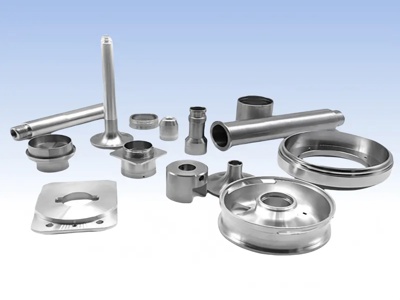
В современном мире производства и инженерии CNC обработка деталей играет ключевую роль, обеспечивая высокую точность, эффективность и повторяемость процессов. Но что же такое CNC обработка, и как она работает? В этой статье мы подробно разберем эту технологию, ее принципы, преимущества и применение, чтобы вы могли лучше понять ее значимость в промышленности.
CNC (Computer Numerical Control) обработка — это технология автоматизированного управления станками с помощью компьютера. В отличие от ручного управления, где оператор вручную контролирует движения инструмента, CNC системы используют программное обеспечение для точного выполнения операций. Это позволяет создавать сложные детали с минимальными ошибками и высокой скоростью.
Исторически, CNC технология возникла в середине XX века как развитие числового программного управления (ЧПУ). Первые системы были простыми и ограниченными, но с развитием компьютеров и программного обеспечения, CNC обработка стала стандартом в таких отраслях, как аэрокосмическая, автомобильная и медицинская промышленность.
Основная идея CNC обработки заключается в том, что компьютерная программа управляет движением инструмента (например, фрезы или сверла) относительно заготовки. Программа содержит инструкции в виде G-кодов и M-кодов, которые определяют траекторию, скорость и другие параметры обработки. Это делает процесс highly automated and efficient.
Процесс CNC обработки можно разделить на несколько этапов. Во-первых, создается цифровая модель детали с помощью CAD (Computer-Aided Design) программного обеспечения. Эта модель затем преобразуется в инструкции для станка через CAM (Computer-Aided Manufacturing) software, который генерирует G-код.
Затем G-код загружается в контроллер CNC станка. Контроллер интерпретирует код и управляет сервомоторами, которые перемещают инструмент по осям (обычно X, Y, Z). Например, в фрезерном станке, инструмент вращается и движется, удаляя материал с заготовки to create the desired shape.
Ключевые компоненты CNC системы включают: контроллер, который является мозгом системы; сервомоторы для точного движения; и датчики для обратной связи, ensuring accuracy. Современные CNC станки often include multi-axis capabilities, allowing for complex geometries and reducing the need for multiple setups.
CNC обработка offers numerous advantages over traditional manual methods. First, it provides极高的 точность и повторяемость, with tolerances as tight as a few micrometers. This is crucial for industries like aerospace, where even small errors can be catastrophic.
Second, automation reduces labor costs and increases productivity. One operator can manage multiple machines, and production can run 24/7 with minimal supervision. Additionally, CNC technology allows for rapid prototyping and customization, enabling manufacturers to quickly adapt to market demands.
Safety is another benefit, as operators are less exposed to hazardous conditions. Moreover, CNC systems can work with a wide range of materials, including metals, plastics, and composites, making them versatile for various applications.
Существует несколько типов CNC станков, каждый designed for specific tasks. Common examples include CNC milling machines, which use rotating cutters to remove material; CNC lathes, for turning operations; and CNC routers, often used for woodworking and plastics.
More advanced types include 5-axis CNC machines, which can move工具 в пяти направлениях, allowing for complex parts without repositioning. There are also specialized machines like CNC grinders for precision grinding and CNC EDM (Electrical Discharge Machining) for hard materials.
Выбор станка depends on the material, part complexity, and production volume. For instance, high-volume production might use dedicated CNC systems, while prototyping may benefit from flexible multi-axis machines.
CNC обработка широко применяется в различных отраслях. В аэрокосмической промышленности, it is used to manufacture engine components, landing gear, and structural parts with strict tolerances. In the automotive sector, CNC machines produce engine blocks, transmission parts, and custom accessories.
Медицинская промышленность relies on CNC for implants, surgical instruments, and prosthetics, where precision is critical for patient safety. Even in consumer goods, CNC technology is used for electronics, jewelry, and furniture, enabling mass customization.
Additionally, CNC plays a role in emerging fields like additive manufacturing (3D printing combined with CNC) and robotics, where integrated systems enhance automation and efficiency.
Будущее CNC обработки looks promising with advancements in AI, IoT, and smart manufacturing. Integration with AI can optimize tool paths and predict maintenance, reducing downtime. IoT connectivity allows for real-time monitoring and data analysis, improving overall equipment effectiveness (OEE).
Trends like hybrid manufacturing (combining additive and subtractive processes) and increased use of robotics will further enhance capabilities. As technology evolves, CNC systems will become more user-friendly, affordable, and accessible to small businesses, democratizing high-precision manufacturing.
В заключение, CNC обработка — это мощная технология, которая continues to evolve and shape modern industry. Its ability to deliver precision, efficiency, and flexibility makes it indispensable for today's manufacturing challenges.
Если вы заинтересованы во внедрении CNC обработки в ваше производство, обратитесь к экспертам для консультации. Правильный выбор оборудования и программного обеспечения can significantly boost your productivity and competitiveness.