

Национальная & quot; горячая линия & quot;
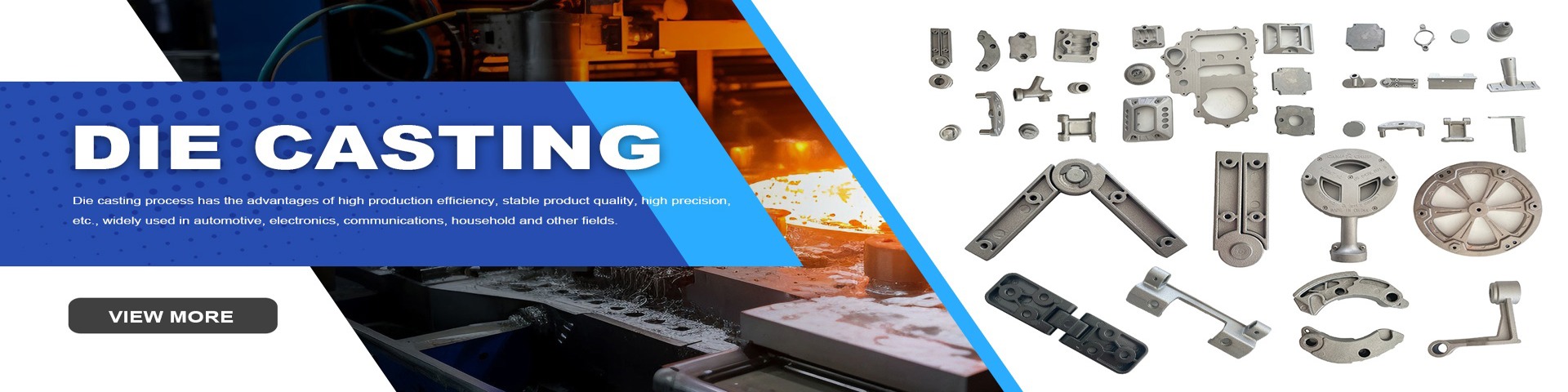
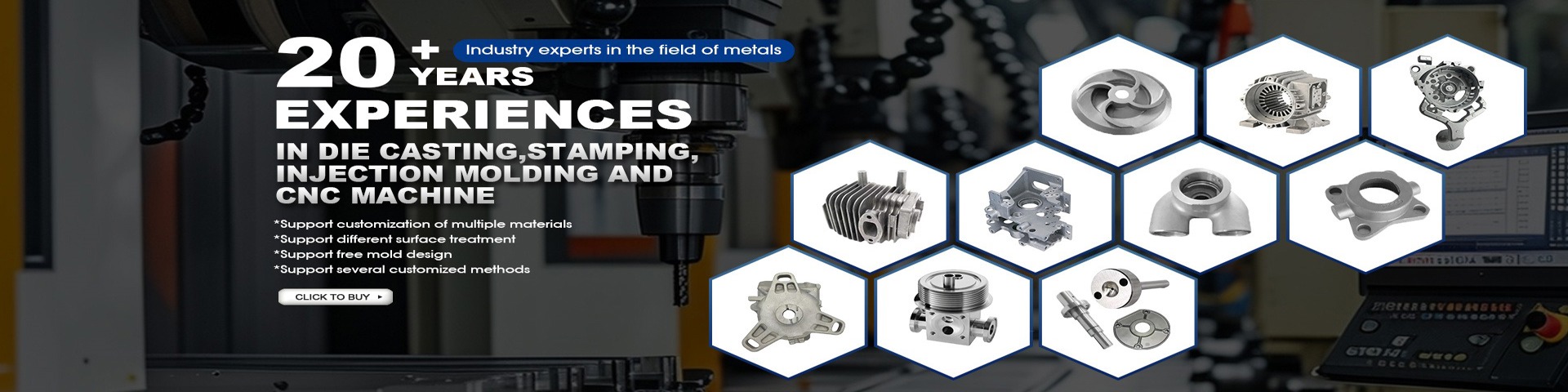
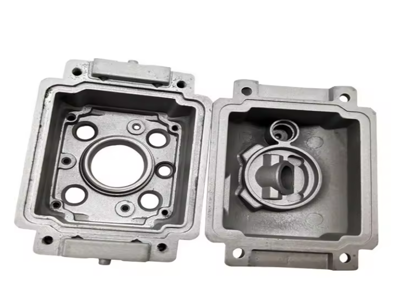
В современном мире инноваций и технологий, литой под давлением алюминиевый корпус стал ключевым элементом в производстве высококачественной продукции. От электронных устройств до автомобильных компонентов, этот материал предлагает множество преимуществ, которые делают его незаменимым. В этой статье мы подробно рассмотрим, почему литой под давлением алюминиевый корпус является таким выдающимся выбором, и как он может преобразить ваши проекты.
Литье под давлением – это процесс, при котором расплавленный алюминий впрыскивается под высоким давлением в форму, чтобы создать сложные и точные детали. Алюминий, будучи легким и прочным металлом, идеально подходит для этого метода. Процесс начинается с подготовки сплава алюминия, который нагревается до температуры плавления. Затем, с помощью специального оборудования, расплавленный металл подается в пресс-форму, где он быстро охлаждается и затвердевает, принимая желаемую форму. Это позволяет производить корпуса с высокой точностью и минимальными отходами, что особенно важно в массовом производстве.
Исторически, литье под давлением развивалось с начала 20 века, но с появлением современных технологий, таких как компьютерное моделирование и автоматизация, процесс стал еще более эффективным. Сегодня, компании по всему миру используют этот метод для создания компонентов, которые требуют высокой прочности и легкого веса. Например, в аэрокосмической отрасли, где каждый грамм имеет значение, литой алюминиевый корпус помогает снизить общий вес самолетов, улучшая топливную эффективность. В потребительской электронике, такой как смартфоны и ноутбуки, этот метод позволяет создавать тонкие и элегантные корпуса, которые защищают внутренние компоненты от повреждений.
Преимущества этого процесса не ограничиваются только производственной эффективностью. Литье под давлением алюминия также способствует сокращению времени цикла производства. По сравнению с другими методами, такими как механическая обработка или литье в песчаные формы, этот процесс может производить детали быстрее и с меньшими затратами на единицу продукции. Это делает его экономически выгодным для крупносерийного производства. Кроме того, использование алюминия в этом процессе добавляет экологические преимущества, так как алюминий легко поддается переработке, сокращая углеродный след производства.
Одним из самых значительных преимуществ литого под давлением алюминиевого корпуса является его исключительная прочность. Алюминиевые сплавы, используемые в этом процессе, обладают высокой прочностью на растяжение и ударную вязкость, что делает корпуса устойчивыми к механическим повреждениям, таким как удары, вибрации и износ. Это особенно важно в отраслях, где оборудование подвергается экстремальным условиям, например, в промышленном машиностроении или военной технике.
Сравнивая с другими материалами, такими как пластик или сталь, алюминий предлагает уникальное сочетание легкости и прочности. В то время как сталь может быть прочнее, она значительно тяжелее, что увеличивает общий вес продукта. Пластик, с другой стороны, легкий, но часто lacks the structural integrity needed for high-stress applications. Литой алюминиевый корпус преодолевает эти ограничения, предоставляя оптимальный баланс. Например, в автомобильной промышленности, алюминиевые корпуса для двигателей или трансмиссий помогают улучшить производительность vehicles by reducing weight without compromising safety or durability.
Долговечность литого алюминиевого корпуса также проявляется в его устойчивости к коррозии. Алюминий естественным образом образует защитный оксидный слой на поверхности, который предотвращает ржавчину и degradation over time. Это означает, что продукты с такими корпусами могут служить дольше, даже в агрессивных средах, таких как морские условия или химические заводы. Для потребителей, это translates to fewer replacements and lower maintenance costs, making it a cost-effective choice in the long run.
Реальные примеры демонстрируют эту прочность в action. Возьмем, к примеру, корпусы для серверов в дата-центрах. Эти устройства должны работать непрерывно и выдерживать высокие температуры и вибрации. Литой алюминиевый корпус обеспечивает надежную защиту, предотвращая перегрев и mechanical failures. Similarly, in consumer electronics like gaming consoles, the robust nature of aluminum housings ensures that the devices can withstand rough handling during gameplay or transportation.
Легкий вес алюминия является еще одним ключевым преимуществом, которое делает литой под давлением корпус таким привлекательным. Алюминий имеет плотность примерно одну треть от стали, что означает, что корпуса из алюминия значительно легче, но при этом сохраняют comparable strength. This reduction in weight has profound implications across various industries, particularly in those where weight savings directly impact performance and efficiency.
In the automotive sector, for instance, reducing vehicle weight is crucial for improving fuel efficiency and reducing emissions. By using die-cast aluminum housings for components like engine blocks, transmission cases, or body panels, manufacturers can shave off kilograms from the overall weight, leading to better mileage and lower environmental impact. This is not just a theoretical benefit; major automakers like Tesla and BMW have extensively adopted aluminum die-casting in their electric vehicles to enhance range and performance.
In electronics, the lightweight nature of aluminum housings allows for the creation of portable devices that are easy to carry and use. Smartphones, laptops, and tablets benefit from this, as consumers increasingly demand slim and light products without sacrificing durability. A die-cast aluminum frame in a smartphone, for example, provides a sturdy structure that protects the delicate internal components while keeping the device comfortable to hold. This contrasts with heavier materials like steel, which would make devices bulkier and less user-friendly.
Beyond consumer goods, the aerospace industry relies heavily on lightweight materials to achieve flight efficiency. Aircraft components made from die-cast aluminum, such as housing for avionics or structural parts, contribute to reducing the overall weight of the aircraft, which in turn lowers fuel consumption and operating costs. This weight advantage also extends to logistics and transportation, where lighter products mean lower shipping costs and easier handling, benefiting businesses and end-users alike.
The process of die-casting itself enhances the lightweight properties. By allowing for complex geometries and thin walls, die-casting minimizes material usage without compromising integrity. This design flexibility means that engineers can create optimized shapes that are both light and strong, further amplifying the benefits. In summary, the lightweight characteristic of die-cast aluminum housings is a game-changer, enabling innovation and efficiency in countless applications.
Алюминий известен своей excellent thermal conductivity, which is another standout advantage of die-cast aluminum housings. Thermal conductivity refers to the material's ability to transfer heat, and aluminum ranks among the best metals in this regard, surpassed only by copper and silver in pure form, but often more practical due to its lower cost and weight. This property makes die-cast aluminum ideal for applications where heat management is critical, such as in electronics, power systems, and automotive components.
In electronic devices, effective heat dissipation is essential to prevent overheating, which can lead to reduced performance, component failure, or even safety hazards. Die-cast aluminum housings act as heat sinks, drawing heat away from internal parts like processors, batteries, and power supplies, and dispersing it into the surrounding environment. For example, in high-performance computers or servers, aluminum cases help maintain optimal operating temperatures, ensuring reliability and longevity. This is why many gaming laptops and premium smartphones incorporate aluminum bodies – they not only look sleek but also keep the device cool under heavy loads.
The automotive industry also benefits from this thermal advantage. In electric vehicles (EVs), battery packs and electric motors generate significant heat during operation. Die-cast aluminum housings for these components facilitate efficient cooling, which is vital for maintaining battery life and motor efficiency. By improving heat dissipation, aluminum housings contribute to the overall performance and safety of EVs, reducing the risk of thermal runaway and extending the vehicle's range. Additionally, in internal combustion engines, aluminum engine blocks and cylinder heads help manage heat from combustion, improving efficiency and reducing emissions.
Compared to materials like plastic, which has poor thermal conductivity, aluminum offers a superior solution. Plastic housings often require additional cooling mechanisms, such as fans or heat pipes, which add complexity, cost, and weight. In contrast, die-cast aluminum integrates cooling functionality directly into the housing, simplifying design and enhancing performance. This makes it a preferred choice for industries where thermal management is a priority, from industrial machinery to renewable energy systems like solar inverters.
Real-world examples abound. Consider LED lighting fixtures: aluminum housings are commonly used because they dissipate heat efficiently, preventing LED degradation and ensuring long lamp life. Similarly, in power tools, die-cast aluminum cases help manage heat generated by motors, allowing for continuous operation without overheating. This thermal efficiency not only improves product performance but also enhances user safety and reduces energy consumption, making die-cast aluminum a smart and sustainable choice.
В эпоху growing environmental awareness, the sustainability of materials is a critical consideration. Die-cast aluminum housings score high on this front due to aluminum's recyclability and the efficiency of the die-casting process. Aluminum is one of the most recycled materials globally, with recycling rates exceeding 90% in many regions. This means that die-cast aluminum products can be melted down and reused repeatedly without losing their properties, significantly reducing the need for virgin material and minimizing environmental impact.
The die-casting process itself is relatively eco-friendly compared to other manufacturing methods. It produces minimal waste because excess material can be recycled back into the process. Additionally, modern die-casting facilities often employ energy-efficient technologies, such as electric furnaces and automated systems, which lower energy consumption and carbon emissions. This aligns with global efforts to reduce the carbon footprint of industrial activities. For companies, adopting die-cast aluminum housings can enhance their green credentials and appeal to environmentally conscious consumers.
From a life-cycle perspective, die-cast aluminum housings offer long-term sustainability. Their durability means products last longer, reducing the frequency of replacements and the associated waste. When products do reach end-of-life, the aluminum can be easily recycled, closing the loop in a circular economy. This is in stark contrast to plastics, which often end up in landfills or oceans, contributing to pollution. Governments and organizations worldwide are encouraging the use of recyclable materials like aluminum through regulations and incentives, further promoting its adoption.
Practical examples highlight this advantage. In the packaging industry, aluminum cans are famously recyclable, and similarly, die-cast housings for electronics or appliances can be repurposed. Brands like Apple emphasize the use of recycled aluminum in their products, showcasing how sustainability can be integrated into high-tech manufacturing. Moreover, in automotive applications, the shift towards aluminum helps meet stringent emission standards by reducing vehicle weight, thus indirectly supporting environmental goals.
Overall, the eco-friendliness of die-cast aluminum housings makes them a responsible choice for the future. By choosing this material, manufacturers not only benefit from its technical advantages but also contribute to a more sustainable world, appealing to a market that increasingly values green products.
Помимо functional benefits, die-cast aluminum housings offer exceptional aesthetic qualities that enhance product appeal. Aluminum can be easily finished in various ways, such as anodizing, painting, or polishing, to achieve a wide range of looks – from matte and industrial to glossy and premium. This versatility allows designers to create products that are not only durable but also visually striking, meeting the demands of modern consumers who value style as much as substance.
The die-casting process enables the production of complex shapes and fine details that would be difficult or expensive to achieve with other methods. This means that aluminum housings can incorporate intricate designs, logos, or textures directly into the mold, reducing the need for secondary operations. For instance, in consumer electronics, die-cast aluminum allows for seamless unibody designs that are both strong and elegant, as seen in devices like MacBooks or high-end smartphones. This integration of form and function is a key selling point in competitive markets.
In automotive design, aluminum housings contribute to the sleek aesthetics of vehicles. Lightweight aluminum body panels or interior components can be shaped into aerodynamic forms that improve both looks and performance. Brands like Audi and Jaguar use die-cast aluminum extensively to create vehicles that are not only efficient but also visually appealing. Similarly, in architecture and furniture, aluminum housings for lighting or hardware add a modern touch while ensuring durability.
The ability to customize finishes means that die-cast aluminum can mimic other materials, such as brushed metal or even wood grains, offering flexibility in design. This is particularly useful in industries where branding and appearance are crucial, such as in luxury goods or consumer electronics. By choosing die-cast aluminum, companies can differentiate their products in the market, attracting customers through superior design and quality.
In summary, the aesthetic advantages of die-cast aluminum housings make them a top choice for products where design matters. They combine beauty with brawn, ensuring that products not only perform well but also look good doing it.
В заключение, литой под давлением алюминиевый корпус предлагает множество невероятных преимуществ, которые делают его предпочтительным выбором в различных отраслях. От высокой прочности и легкого веса до превосходной теплоотдачи, экологичности и эстетичного дизайна – этот материал воплощает в себе идеальное сочетание функциональности и innovation. Whether in electronics, automotive, aerospace, or beyond, die-cast aluminum housings enhance product performance, sustainability, and appeal.
As technology continues to advance, the role of die-cast aluminum will only grow, driven by its adaptability and benefits. We encourage manufacturers and designers to explore this material for their next projects to unlock its full potential. Embrace the future with die-cast aluminum – where strength, lightness, and sustainability come together to create extraordinary products.
For more information or to discuss how die-cast aluminum can benefit your specific application, feel free to reach out to experts in the field. The possibilities are endless, and the advantages are clear. Make the switch today and experience the incredible benefits firsthand.