

Национальная & quot; горячая линия & quot;

В современной автомобильной промышленности поиск материалов, которые обеспечивают оптимальное сочетание прочности и легкости, стал ключевым приоритетом. Алюминиевые детали трансмиссии представляют собой один из таких инновационных решений, которые революционизируют производительность и эффективность транспортных средств. В этой статье мы подробно рассмотрим, почему алюминиевые детали являются идеальным выбором для трансмиссий, обсуждая их свойства, преимущества, применение и будущие тенденции.
Трансмиссия – это сердце любого транспортного средства, отвечающее за передачу мощности от двигателя к колесам. Традиционно для изготовления деталей трансмиссии использовались тяжелые материалы, такие как сталь, которые обеспечивали прочность, но добавляли значительный вес. Однако с ростом требований к топливной экономичности, снижению выбросов и улучшению динамики, инженеры обратились к легким сплавам, и алюминий стал лидером в этой области.
Алюминиевые детали трансмиссии изготавливаются из высокопрочных алюминиевых сплавов, которые сочетают в себе исключительную прочность с минимальным весом. Это делает их идеальными для применения в автоматических и механических коробках передач, дифференциалах, карданах и других компонентах. Благодаря своим уникальным свойствам, алюминиевые детали не только снижают общий вес транспортного средства, но и повышают его производительность, долговечность и экологичность.
Алюминиевые сплавы, используемые в трансмиссиях, обладают рядом ключевых свойств, которые делают их превосходными по сравнению с традиционными материалами. Во-первых, их плотность составляет примерно одну треть плотности стали, что приводит к значительному снижению веса. Например, алюминиевая деталь трансмиссии может весить на 40-60% меньше, чем ее стальной аналог, без ущерба для прочности.
Во-вторых, современные алюминиевые сплавы, такие как серии 6000 и 7000, демонстрируют высокую прочность на растяжение и ударную вязкость. Это достигается за счет легирования элементами, как магний, кремний и цинк, которые улучшают механические свойства. Кроме того, алюминий обладает отличной коррозионной стойкостью, особенно при обработке поверхностными покрытиями, что продлевает срок службы деталей в harsh условиях эксплуатации.
Теплопроводность алюминия также является важным преимуществом для трансмиссий. Высокая теплопроводность помогает рассеивать тепло, генерируемое во время работы, снижая риск перегрева и износа компонентов. Это особенно критично в высокопроизводительных транспортных средствах, где трансмиссия подвергается экстремальным нагрузкам.
Использование алюминиевых деталей в трансмиссии приносит множество преимуществ, которые positively влияют на overall performance транспортного средства. Одним из наиболее значимых преимуществ является снижение веса. Легкие трансмиссионные компоненты уменьшают инерцию и неподрессоренные массы, что улучшает ускорение, торможение и управляемость. Для примера, снижение веса трансмиссии на 10 кг может привести к улучшению топливной экономичности на 2-3%, что является существенным вкладом в снижение эксплуатационных расходов и выбросов CO2.
Другое ключевое преимущество – повышение прочности и долговечности. Алюминиевые сплавы могут быть оптимизированы для specific applications через термическую обработку и сплавление, обеспечивая resistance к усталости и износу. Это означает, что детали трансмиссии служат дольше, требуют меньше maintenance и снижают вероятность failures, особенно в demanding conditions, таких как гоночные автомобили или грузовики.
Кроме того, алюминиевые детали предлагают improved NVH (Noise, Vibration, and Harshness) characteristics. Благодаря своей inherent демпфирующей способности, алюминий помогает reduce вибрации и шум, создавая более комфортабельную и тихую cabin для пассажиров. Это особенно важно в luxury vehicles, где comfort является приоритетом.
Экологические benefits также нельзя overlook. Алюминий является highly recyclable material, with up to 95% of aluminum being recyclable without loss of quality. Это способствует circular economy и reduces the environmental footprint automotive industry. Кроме того, reduced weight leads to lower fuel consumption and emissions, aligning with global regulations such as Euro 6 or EPA standards.
Алюминиевые детали находят применение в широком спектре трансмиссионных систем, от passenger cars to commercial vehicles and even electric vehicles (EVs). В автоматических коробках передач, алюминиевые housing и gears используются для reduce weight and improve heat dissipation. Например, many modern automatic transmissions incorporate aluminum cases that are up to 50% lighter than cast iron versions, while maintaining structural integrity.
В механических коробках передач, алюминиевые components such as shift forks and synchronizer rings enhance shifting smoothness and durability. The light weight of these parts reduces the effort required for shifting, making driving more enjoyable and less fatiguing, especially in urban traffic conditions.
Для differentials и drive shafts, алюминиевые alloys provide an excellent balance of strength and lightness. In all-wheel-drive systems, aluminum differential housings help distribute weight more evenly, improving traction and stability. Additionally, in EVs, where weight reduction is crucial for maximizing range, aluminum transmission parts are increasingly adopted. For instance, Tesla uses aluminum extensively in its drivetrain components to achieve lightweight and high efficiency.
Beyond automotive, алюминиевые детали трансмиссии также used in aerospace and marine applications, where weight savings directly translate to improved performance and fuel economy. This versatility underscores the adaptability of aluminum alloys across different industries.
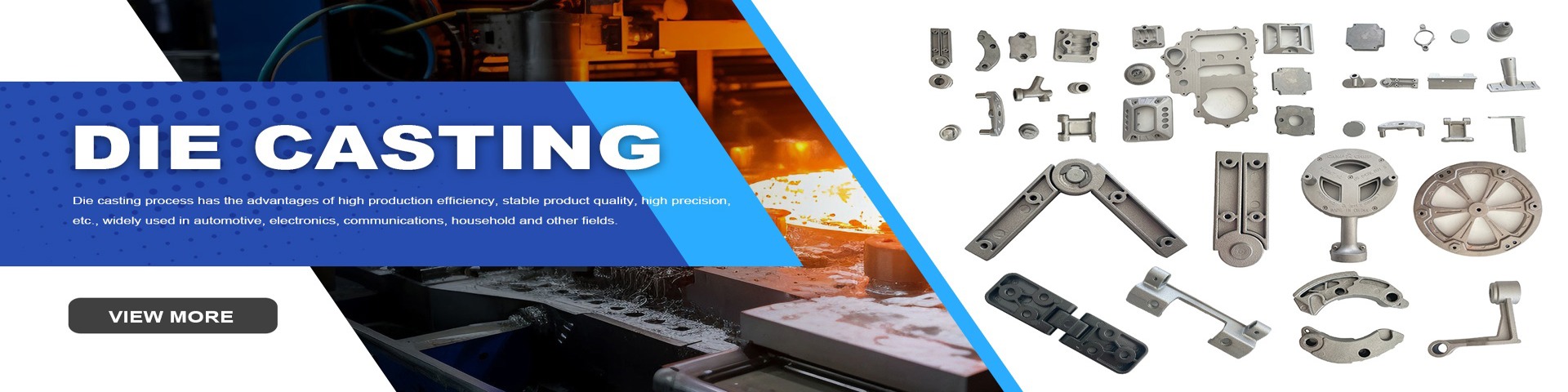
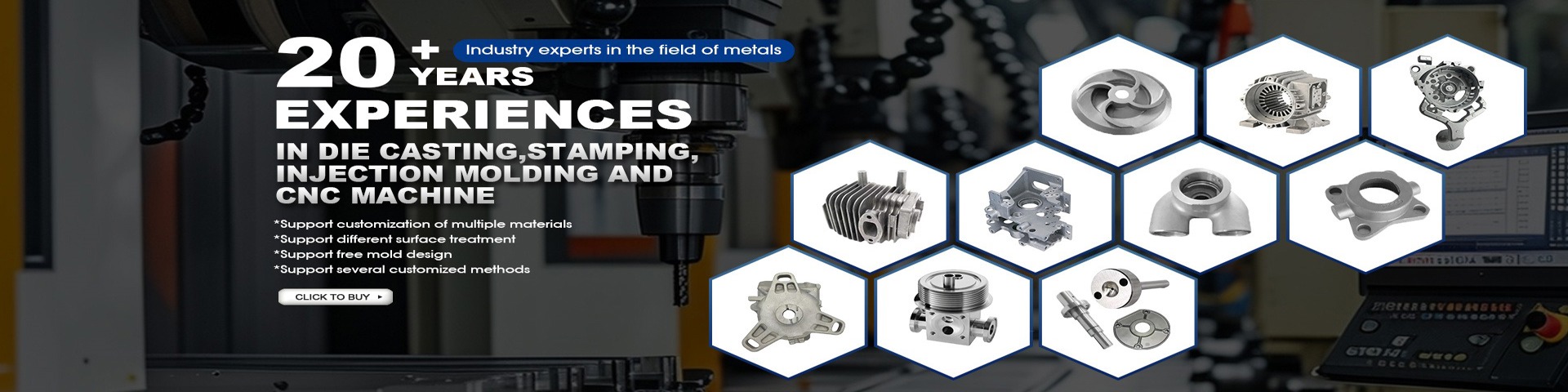
Производство алюминиевых деталей трансмиссии involves advanced manufacturing techniques to ensure precision and quality. Common methods include die casting, forging, and extrusion. Die casting is popular for complex shapes, such as transmission cases, as it allows for high-volume production with tight tolerances. Forging, on the other hand, is used for high-strength components like gears, as it enhances the grain structure and mechanical properties.
Extrusion is employed for creating long, uniform parts like shafts or bars. Additionally, CNC machining is often used for finishing operations to achieve the required dimensions and surface quality. Heat treatment processes, such as solution treatment and aging, are critical for optimizing the strength and hardness of aluminum alloys. For example, the T6 temper treatment can significantly increase the yield strength of aluminum parts, making them suitable for high-load applications.
Surface treatments, including anodizing or powder coating, are applied to improve corrosion resistance and wear characteristics. These technologies ensure that aluminum transmission parts meet the rigorous demands of modern vehicles, providing reliability and longevity.
При сравнении алюминиевых деталей с альтернативными материалами, такими как сталь или композиты, становится evident их unique advantages. Сталь, хотя и offers high strength, is much heavier and prone to corrosion without coatings. Композиты, такие как carbon fiber, are lightweight and strong but often more expensive and difficult to manufacture in complex shapes.
Алюминий strikes a balance between cost, weight, and performance. It is generally more affordable than composites and easier to recycle than many other materials. In terms of life cycle assessment, aluminum parts often have a lower environmental impact due to their recyclability and energy efficiency in production compared to primary steel manufacturing.
However, there are challenges, such as the higher initial cost of aluminum alloys compared to standard steel, but this is offset by the long-term benefits in fuel savings and maintenance. Innovations in alloy development and manufacturing are continuously reducing these cost disparities, making aluminum an increasingly attractive option.
Будущее алюминиевых деталей трансмиссии looks promising, with ongoing research focused on enhancing their properties and expanding applications. One emerging trend is the development of nano-structured aluminum alloys, which offer even higher strength-to-weight ratios. These advanced materials could enable further weight reductions without compromising safety or performance.
Another area of innovation is additive manufacturing, or 3D printing, of aluminum parts. This technology allows for the creation of complex, lightweight geometries that are impossible with traditional methods, potentially revolutionizing transmission design. For instance, 3D-printed aluminum gears with internal lattice structures could reduce weight while maintaining strength.
Integration with smart technologies is also on the horizon. Sensors embedded in aluminum transmission components could monitor wear and performance in real-time, enabling predictive maintenance and reducing downtime. Furthermore, as the automotive industry shifts towards electrification, aluminum will play a crucial role in lightweighting EV drivetrains to extend battery range.
Collaborations between material scientists and automotive engineers are driving these advancements, ensuring that aluminum remains at the forefront of transmission technology. With global emphasis on sustainability, the recyclability and energy efficiency of aluminum will continue to be major selling points.
В заключение, алюминиевые детали трансмиссии embody the perfect synergy of strength and lightness, making them an ideal choice for modern vehicles. Their ability to reduce weight, improve performance, enhance durability, and support environmental goals positions them as a cornerstone of automotive innovation. As technology advances, we can expect to see even more widespread adoption of aluminum in transmissions, driving the industry towards a lighter, more efficient, and sustainable future.
Whether you are an automotive enthusiast, engineer, or environmentally conscious consumer, understanding the benefits of aluminum transmission parts is essential. Embrace this revolution and experience the difference that ideal strength and lightness can make in your vehicle's performance.