

Национальная & quot; горячая линия & quot;
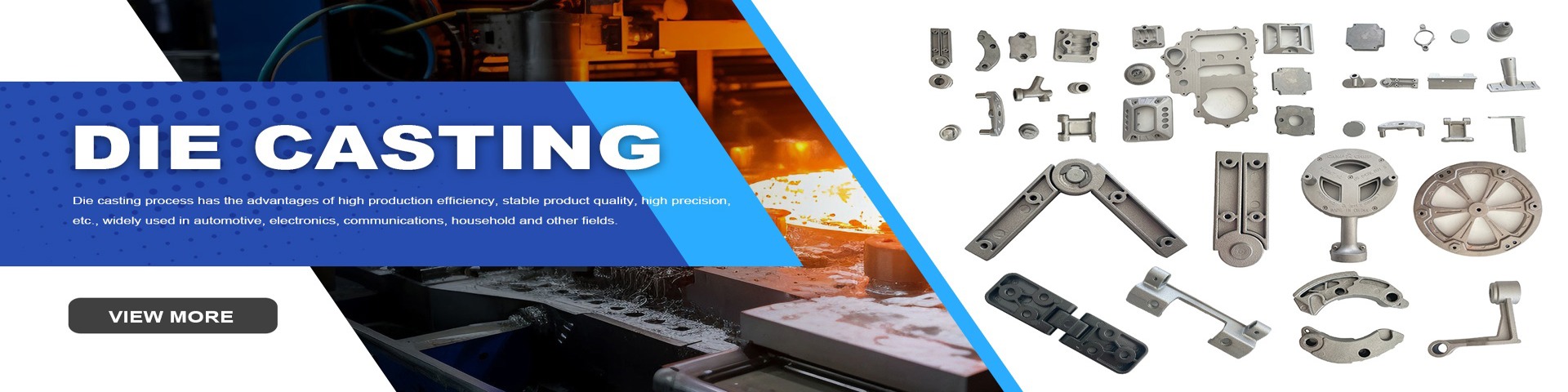
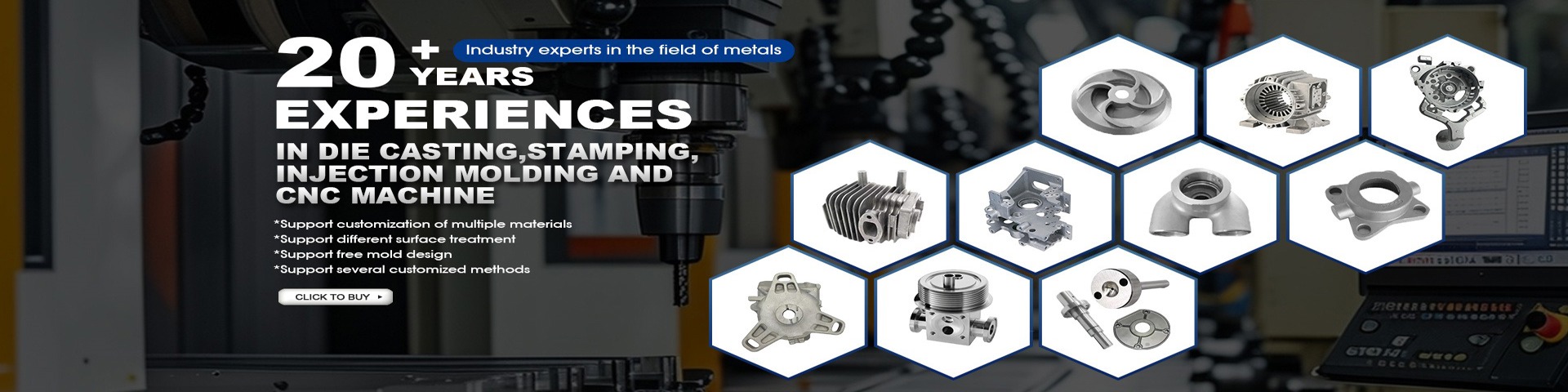
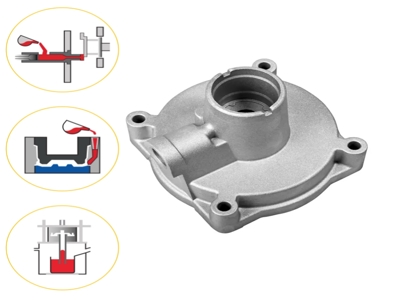
Что если я скажу вам, что в мире машиностроения происходит тихая, но мощная революция? Алюминиевые механические конструкции — это не просто новый материал или модный тренд, а фундаментальный сдвиг в том, как мы проектируем, производим и используем машины. Но действительно ли это революция, или это просто эволюционный шаг? Давайте углубимся в этот вопрос и исследуем, как алюминиевые сплавы меняют ландшафт машиностроения, делая его легче, прочнее и более устойчивым.
Алюминиевые механические конструкции относятся к деталям и узлам машин, изготовленным из алюминиевых сплавов, которые обладают уникальным сочетанием легкости, прочности и коррозионной стойкости. В отличие от традиционных материалов, таких как сталь или чугун, алюминий предлагает значительное снижение веса без ущерба для производительности. Это особенно критично в отраслях, где каждый килограмм имеет значение, например, в аэрокосмической, автомобильной или робототехнической промышленности. Но почему именно алюминий? Его свойства, включая высокую теплопроводность и электропроводность, делают его идеальным для применений, требующих эффективного рассеивания тепла или электрических соединений.
История алюминия насчитывает века, но его широкое использование в машиностроении началось лишь в XX веке. Первоначально алюминий считался драгоценным металлом из-за сложностей добычи и обработки. Однако с развитием электролитического процесса в конце XIX века его производство стало более доступным. В машиностроении алюминиевые конструкции сначала применялись в нишевых областях, таких как авиация, где легкий вес был критически важен. Со временем, с улучшением сплавов и технологий обработки, алюминий проник в более широкий спектр применений, от автомобильных двигателей до промышленных роботов. Этот переход от экзотики к мейнстриму поднимает вопрос: была ли это постепенная эволюция или внезапный прорыв?
Одним из ключевых преимуществ алюминиевых механических конструкций является их невероятная легкость. По сравнению со сталью, алюминий имеет плотность примерно в три раза ниже, что позволяет сократить общий вес машин на 30-50%. Это не только снижает энергопотребление и выбросы CO2, но и повышает маневренность и скорость оборудования. Например, в автомобилестроении использование алюминиевых компонентов может улучшить топливную экономичность на 5-10%. Кроме того, современные алюминиевые сплавы, такие как 6061 или 7075, обладают прочностью, сопоставимой с некоторыми марками стали, благодаря легированию элементами like magnesium and zinc. Добавьте к этому исключительную коррозионную стойкость — алюминий естественным образом образует защитный оксидный слой — и вы получите материал, который служит дольше и требует меньше обслуживания. Но не слишком ли мы идеализируем эти преимущества? Ведь у всего есть свои компромиссы.
Несмотря на многочисленные достоинства, алюминиевые конструкции сталкиваются с серьезными вызовами. Во-первых, стоимость: алюминий generally more expensive than steel, especially when considering raw material prices and processing costs. This can be a barrier for mass adoption in cost-sensitive industries. Secondly, while aluminum alloys are strong, they may not match the ultimate tensile strength of high-grade steels, limiting their use in ultra-high-stress applications like heavy machinery or construction equipment. Additionally, aluminum has a lower melting point compared to steel, which can be a disadvantage in high-temperature environments, such as engines or furnaces. There's also the issue of fatigue resistance; under cyclic loading, aluminum might exhibit earlier failure than steel if not properly designed. So, is the revolution overstated, or are these challenges surmountable with innovation?
To overcome these limitations, the manufacturing sector has embraced advanced techniques. CNC machining, extrusion, and additive manufacturing (3D printing) have revolutionized how aluminum parts are made. For instance, 3D printing allows for complex geometries that were previously impossible, reducing weight further while maintaining strength. Heat treatment processes, such as aging or annealing, enhance the mechanical properties of aluminum alloys, making them competitive with steel in many scenarios. Moreover, the integration of computer-aided design (CAD) and finite element analysis (FEA) enables precise optimization of aluminum structures for specific loads and conditions. These innovations not only address the weaknesses but also open new possibilities. But are we leveraging these technologies fully, or is there still untapped potential?
In an era focused on sustainability, aluminum shines due to its recyclability. Over 75% of all aluminum ever produced is still in use today, thanks to efficient recycling processes that require only 5% of the energy needed for primary production. This makes aluminum constructions a green choice, reducing the carbon footprint of machinery over its lifecycle. In machine building, this translates to lower environmental impact from production to disposal. However, the extraction of bauxite (the primary ore for aluminum) can cause ecological damage, such as deforestation and pollution. So, while aluminum is recyclable, is its overall environmental benefit clear-cut, or does it depend on responsible sourcing and recycling practices?
Aluminum mechanical constructions find applications across diverse sectors. In aerospace, they are used in aircraft frames and engines to reduce weight and improve fuel efficiency. In automotive industry, components like engine blocks, wheels, and body panels benefit from aluminum's properties. Robotics and automation leverage aluminum for lightweight arms and frames, enhancing speed and precision. Even in consumer electronics, aluminum casings provide durability and heat dissipation. Each industry tailors aluminum use to its specific needs, but is this adoption uniform, or are some sectors lagging due to traditional mindsets or technical barriers?
The future of aluminum in machine building looks promising with trends like smart manufacturing and IoT integration. Lightweight aluminum structures can be equipped with sensors for real-time monitoring, predictive maintenance, and efficiency optimization. Advances in material science, such as nano-enhanced aluminum composites, promise even better strength-to-weight ratios. Additionally, the push towards electric vehicles and renewable energy systems will drive demand for aluminum due to its conductive properties. But will these trends solidify aluminum's role as a revolutionary material, or could emerging materials like carbon fiber or advanced polymers steal the spotlight?
After exploring the depths of aluminum mechanical constructions, it's clear that they represent a significant shift in machine building. The combination of lightness, strength, and sustainability offers tangible benefits that are transforming industries. While challenges exist, ongoing innovations in processing and design are mitigating these issues. So, is it a revolution? Perhaps it's more of a accelerated evolution—a gradual change that has gained momentum due to technological advancements and environmental pressures. Ultimately, aluminum is not just a material; it's a catalyst for smarter, greener, and more efficient machinery. The question remains: are we ready to fully embrace this change, or will resistance to new ideas slow progress? Only time will tell, but one thing is certain: aluminum has already left an indelible mark on machine building, and its journey is far from over.
In summary, aluminum mechanical constructions are indeed revolutionizing machine building by offering unparalleled advantages in weight reduction, durability, and eco-friendliness. As industries continue to innovate and adapt, the potential for further breakthroughs is immense. So, let's keep questioning, exploring, and pushing the boundaries—because that's what true revolution is all about.