

Национальная & quot; горячая линия & quot;
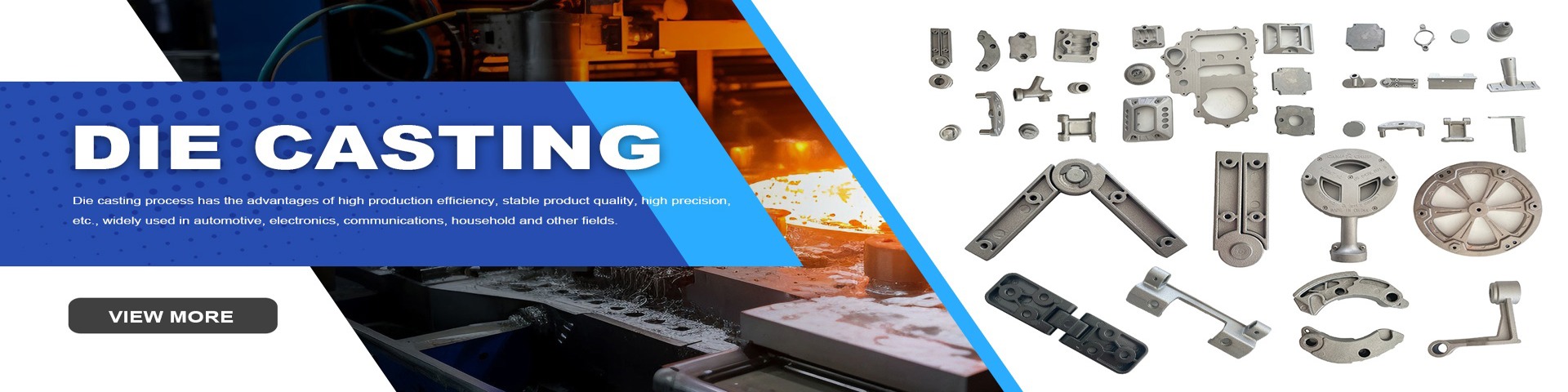
В современном мире автомобильной промышленности инновации и устойчивость становятся ключевыми факторами успеха. Одной из таких инноваций являются алюминиевые отливки, которые активно внедряются в производство автомобилей. Но являются ли они лишь временной модой или представляют собой фундаментальное изменение, определяющее будущее транспорта? В этой статье мы подробно рассмотрим преимущества, вызовы и перспективы алюминиевых отливок, чтобы дать вам четкий ответ.
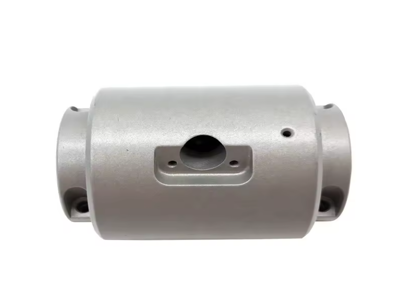
Алюминиевые отливки – это процесс изготовления деталей из алюминиевых сплавов путем заливки расплавленного металла в формы. Этот метод позволяет создавать сложные и легкие компоненты, которые идеально подходят для автомобильной промышленности. Алюминий, как материал, обладает уникальными свойствами: он легкий, прочный, коррозионно-стойкий и легко поддается переработке. Эти характеристики делают его незаменимым в эпоху, когда снижение веса транспортных средств стало критически важным для улучшения топливной экономичности и сокращения выбросов CO2.
Исторически автомобильная промышленность полагалась на сталь как основной материал из-за ее прочности и доступности. Однако с ростом экологических норм и стремлением к энергоэффективности производители начали искать альтернативы. Алюминиевые отливки появились как ответ на эти вызовы, предлагая решения, которые не только снижают вес, но и повышают производительность и долговечность автомобилей.
Например, такие компании как Tesla и Audi уже интегрировали алюминиевые отливки в свои модели, демонстрируя значительные улучшения в динамике и экологических показателях. Это не просто тренд – это эволюция, driven by necessity and innovation.
Алюминиевые отливки предлагают множество преимуществ, которые делают их привлекательными для автопроизводителей. Во-первых, снижение веса. По сравнению со сталью, алюминий примерно на 60% легче, что напрямую влияет на топливную экономичность. Исследования показывают, что уменьшение массы автомобиля на 10% может привести к снижению расхода топлива на 6-8%. Это не только экономит деньги владельцев, но и сокращает углеродный след, соответствуя глобальным инициативам по борьбе с изменением климата.
Во-вторых, прочность и долговечность. Алюминиевые сплавы, используемые в отливках, обладают высокой прочностью на разрыв и устойчивостью к коррозии. Это означает, что детали служат дольше, уменьшая необходимость в частом обслуживании и замене. Для потребителей это translates into lower maintenance costs and increased vehicle lifespan.
В-третьих, гибкость дизайна. Процесс литья позволяет создавать complex geometries that are difficult or impossible to achieve with other methods. This enables engineers to optimize aerodynamics and integrate multiple functions into single components, reducing assembly time and costs. For instance, a single aluminum casting can replace several steel parts, simplifying the manufacturing process.
Кроме того, алюминий является highly recyclable material. Over 90% of aluminum used in vehicles can be recycled without loss of quality, promoting a circular economy. This aligns with growing consumer demand for sustainable products and corporate responsibility initiatives.
Реальные примеры иллюстрируют эти преимущества. Take the Ford F-150, which switched to an aluminum body, resulting in a 700-pound weight reduction and improved fuel efficiency. Similarly, electric vehicles like the Nissan Leaf utilize aluminum castings to offset battery weight, enhancing range and performance.
Несмотря на многочисленные преимущества, внедрение алюминиевых отливок сталкивается с определенными вызовами. Одним из основных является стоимость. Алюминий generally more expensive than steel, both in terms of material and processing costs. The casting process requires specialized equipment and expertise, which can increase initial investment for manufacturers. However, as technology advances and scales, these costs are expected to decrease, making aluminum more accessible.
Другим вызовом является прочность по сравнению с высокопрочной сталью. While aluminum alloys are strong, they may not match the ultimate strength of some advanced steels, particularly in crash scenarios. This necessitates careful engineering and testing to ensure safety standards are met. Innovations in alloy development and design are continuously addressing this issue, with new composites and hybrid approaches emerging.
Коррозия, хотя и less of an issue than with steel, can still occur in certain environments, requiring protective coatings or treatments. Additionally, the energy intensity of aluminum production is a concern, as it requires significant electricity. However, with the shift towards renewable energy sources, the environmental impact is being mitigated.
Logistics and supply chain complexities also pose challenges. Sourcing high-quality aluminum and managing the casting process require robust供应链管理. Collaborations between automakers and suppliers are crucial to overcome these hurdles.
Despite these challenges, the overall trend is positive. Industry reports indicate that the use of aluminum in vehicles is projected to grow significantly over the next decade, driven by regulatory pressures and consumer preferences.
Будущее алюминиевых отливок выглядит ярким, с numerous innovations on the horizon. One key area is the development of new aluminum alloys with enhanced properties. Researchers are working on alloys that offer higher strength-to-weight ratios, better thermal conductivity, and improved recyclability. These advancements will enable even broader applications in electric and autonomous vehicles.
Another trend is the integration of digital technologies like additive manufacturing (3D printing) with traditional casting methods. This allows for rapid prototyping and customization, reducing time-to-market for new designs. For example, companies are using 3D printing to create complex molds for castings, enhancing precision and efficiency.
The rise of electric vehicles (EVs) is a major driver. EVs benefit immensely from weight reduction to extend battery range, and aluminum castings are ideal for components like battery enclosures, motor mounts, and structural parts. As EV adoption accelerates, demand for aluminum castings will surge.
Sustainability will continue to be a focal point. Initiatives to use recycled aluminum and reduce carbon footprint in production are gaining traction. Certifications and standards for green manufacturing will influence industry practices, making aluminum castings even more attractive.
Collaborations between academia, industry, and government will fuel innovation. Projects focused on lightweight materials and advanced manufacturing techniques are receiving increased funding, promising breakthroughs that could redefine automotive design.
In the long term, we may see aluminum castings becoming standard in most vehicles, not just premium models. This democratization will be supported by cost reductions and scalability of production processes.
Для потребителей, considering vehicles with aluminum components, it's important to understand the benefits. Look for models that highlight weight reduction and fuel efficiency. Maintenance-wise, aluminum parts may require less frequent repairs due to corrosion resistance, but ensure that service networks are equipped to handle these materials.
For manufacturers, investing in aluminum casting technology is a strategic move. Start with pilot projects to assess cost-benefit ratios and build expertise. Partner with reliable suppliers and focus on training workforce for new processes. Emphasize sustainability in marketing to appeal to eco-conscious consumers.
Regulatory compliance is key. Stay updated on emissions standards and safety regulations that favor lightweight materials. Engage in industry forums to share best practices and learn from peers.
Ultimately, the shift to aluminum is not just about following a trend; it's about embracing a smarter, more sustainable future for mobility.
В заключение, алюминиевые отливки – это не временная мода, а устойчивая тенденция, shaping the future of the automotive industry. Their advantages in weight reduction, durability, design flexibility, and sustainability make them indispensable in the quest for greener and more efficient transportation. While challenges exist, ongoing innovations and growing adoption indicate that aluminum castings are here to stay.
As we move towards an era of electric and autonomous vehicles, the role of lightweight materials like aluminum will only become more critical. By investing in and adopting these technologies, we can drive progress that benefits both the economy and the environment.
So, whether you're a consumer, manufacturer, or enthusiast, it's time to recognize that automotive aluminum castings are not just a passing fancy – they are the foundation of tomorrow's vehicles.