

Национальная & quot; горячая линия & quot;
В современном инженерном мире выбор материалов для механических деталей играет ключевую роль в обеспечении эффективности, долговечности и экономической выгоды. Один из наиболее популярных и универсальных материалов — алюминиевые сплавы. Но почему именно они? Что делает их такими привлекательными для конструкторов и производителей? В этой статье мы подробно исследуем причины, стоящие за широким применением алюминиевых сплавов в механических деталях, и ответим на множество вопросов, которые могут возникнуть у инженеров, студентов и энтузиастов.
Алюминиевые сплавы — это композиционные материалы, состоящие преимущественно из алюминия с добавлением других элементов, таких как медь, магний, кремний, марганец или цинк. Процесс их создания начинается с добычи бокситовой руды, которая затем перерабатывается в глинозем (оксид алюминия) через процесс Байера. Далее глинозем подвергается электролизу в расплавленном криолите для получения чистого алюминия. Но чистый алюний слишком мягок для многих механических применений, поэтому его легируют другими металлами для улучшения свойств. Например, добавление меди увеличивает прочность, а магний улучшает коррозионную стойкость. Этот процесс легирования позволяет tailor свойства сплава под конкретные нужды, делая алюминиевые сплавы невероятно адаптивными. Задумывались ли вы, как небольшие изменения в составе могут кардинально изменить характеристики материала? Именно это и делает их столь ценными в инженерии.
Алюминиевые сплавы обладают рядом уникальных преимуществ, которые делают их предпочтительным выбором для механических деталей. Во-первых, их легкость: плотность алюминия составляет около 2,7 г/см³, что примерно в три раза меньше, чем у стали. Это позволяет создавать более легкие конструкции, что критически важно в automotive и аэрокосмической отраслях, где каждый килограмм saved translates to fuel efficiency and cost savings. Но не только вес имеет значение; алюминиевые сплавы also offer excellent strength-to-weight ratios, meaning they can withstand significant loads without adding bulk. Кроме того, они обладают высокой коррозионной стойкостью благодаря formation of a protective oxide layer, which prevents rust and degradation in harsh environments. Compare this to iron-based materials that require coatings or frequent maintenance. Another key advantage is their machinability and formability; aluminum alloys can be easily cast, forged, extruded, or machined into complex shapes, reducing production time and costs. Thermal and electrical conductivity are also superior, making them ideal for heat exchangers or electrical components. But wait, are there downsides? Yes, aluminum alloys can be more expensive than some steels and may have lower hardness, but these are often offset by their overall benefits. Isn't it fascinating how a material can be so versatile?
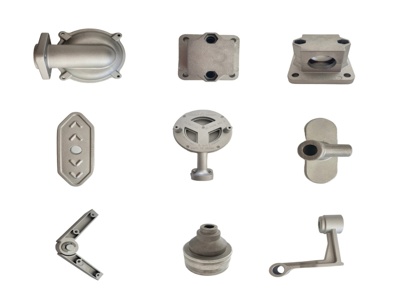
Применение алюминиевых сплавов в механических деталях охватывает широкий спектр отраслей. В automotive industry, они используются для engine blocks, pistons, wheels, and body panels due to their light weight, which improves fuel economy and reduces emissions. For instance, the Ford F-150 extensively uses aluminum in its body, cutting weight by hundreds of pounds. In aerospace, aluminum alloys are critical for aircraft fuselages, wings, and landing gear because of their high strength and resistance to fatigue. The Boeing 787 Dreamliner, although using composites, still relies on aluminum for many parts. In machinery, aluminum is used for gears, housings, and frames where weight reduction is key without compromising strength. Even in everyday items like bicycles or consumer electronics, aluminum alloys provide durability and aesthetics. But how do engineers decide which alloy to use? It depends on factors like required strength, corrosion resistance, and cost. For example, alloy 6061 is common for general purposes, while 7075 is used for high-strength applications. Have you ever considered the aluminum parts in your car or phone? They are there for a reason!
Экологичность — это растущая concern в современном мире, и алюминиевые сплавы здесь выделяются. Алюминий highly recyclable; in fact, recycling aluminum requires only about 5% of the energy needed to produce it from ore. This makes it a sustainable choice, reducing carbon footprint and conserving natural resources. Many industries are adopting closed-loop recycling systems where scrap aluminum is reused in new products. Additionally, the light weight of aluminum parts contributes to lower energy consumption in vehicles and machinery, indirectly reducing greenhouse gas emissions. However, the initial production of aluminum from bauxite is energy-intensive and can involve environmental impacts like habitat destruction and pollution. But with advancements in technology and increased recycling rates, these issues are being mitigated. Isn't it reassuring to know that using aluminum can support a greener future?
Будущее алюминиевых сплавов выглядит bright, с ongoing research focusing on developing new alloys with enhanced properties. Nanotechnology is being explored to create aluminum nanocomposites with superior strength and wear resistance. Additive manufacturing, or 3D printing, is also revolutionizing how aluminum parts are produced, allowing for more complex geometries and reduced waste. In the automotive sector, the shift towards electric vehicles is driving demand for lightweight materials to extend battery range. Similarly, in renewable energy, aluminum is used in wind turbine components for its durability and ease of fabrication. But challenges remain, such as improving cost-effectiveness and addressing limitations in high-temperature applications. As materials science advances, we can expect even more innovative uses of aluminum alloys. What new applications might emerge in the next decade? Only time will tell, but the potential is immense.
В заключение, использование алюминиевых сплавов для механических деталей оправдано их легкостью, прочностью, коррозионной стойкостью и экологичностью. Они предлагают versatile solution for various industries, from automotive to aerospace, and continue to evolve with technological advancements. Whether you're an engineer designing a new machine or a consumer appreciating efficient products, understanding these benefits can deepen your appreciation for this remarkable material. So, next time you see a lightweight yet sturdy part, remember the role aluminum alloys play in making it possible.